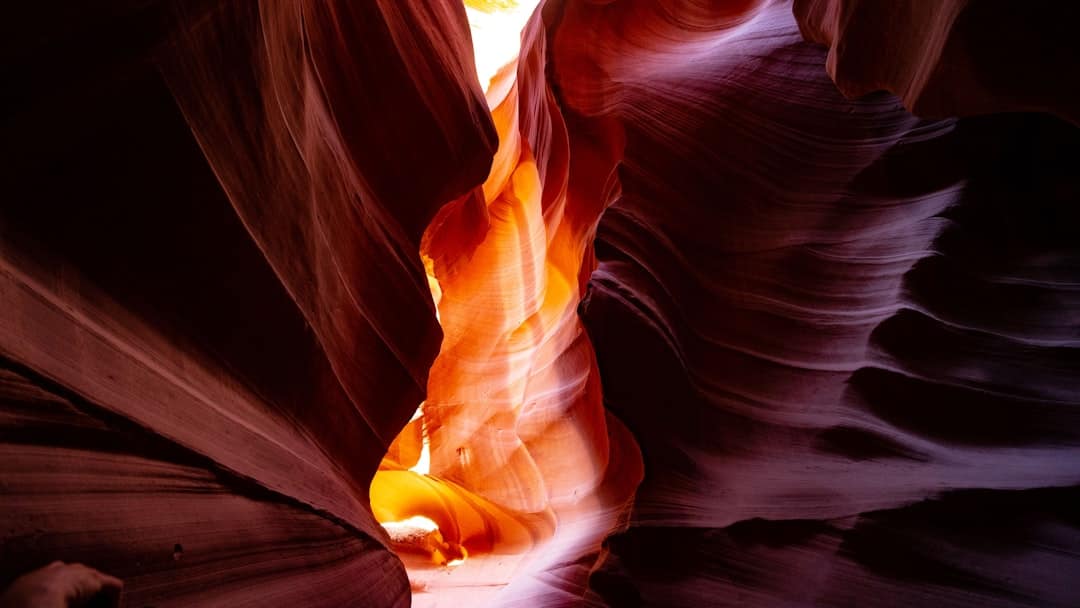
Photo by Tom Gainor on Unsplash
Key Takeaways
- Best Time to Visit: March to October for stunning light beams.
- Guided Tours Required: Book a Navajo operator well in advance to secure your spot.
- Plan for Weather: Antelope Canyon’s conditions can change quickly; check forecasts closely.
- Photography Opportunities: Ideal light conditions occur around midday, especially between 11 AM and 1 PM.
- Nearby Attractions: Don’t miss Horseshoe Bend and Lake Powell, both within a short drive from the canyon.
With its breathtaking light beams and mesmerizing sandstone formations, Antelope Canyon is a must-visit for any traveler to Arizona. On a recent trip, I found myself captivated by the swirling colors and textures that make this slot canyon so famous. Whether you have one day or two, careful planning can maximize your experience at this stunning landmark. Expect to encounter both natural beauty and logistical challenges that can enhance or hinder your visit.
If You Only Have One Day
A single day in Antelope Canyon is enough to catch the highlights if you plan strategically. Start early to beat the crowds—arriving by 8:00 AM is ideal. Begin with a tour at Upper Antelope Canyon, known for its iconic light beams, which are most visible between 11 AM and 1 PM. The tour lasts approximately 1 to 1.5 hours and covers about 0.5 miles of the canyon’s stunning pathways. Expect to pay around $60 to $80 for a guided tour, depending on the operator. Tours can fill up quickly, so booking at least 2-3 months in advance is advisable, especially during peak season.
After the Upper Canyon, head to Lower Antelope Canyon, which offers a different perspective and features ladders that add a level of adventure. Allocate about 1-1.5 hours for the Lower Canyon tour, which is also around 0.5 miles long but includes some moderate climbing. In total, plan for approximately 3-4 hours for both canyons, allowing time for travel and photography. The best time to transition between the two canyons is around 1:30 PM, giving you optimal lighting conditions for your photos.
Mistakes First-Timers Make
One common mistake is underestimating the popularity of Antelope Canyon. Tours can fill up months in advance, especially during peak season (March to October). Booking your tour at least 2-3 months ahead is essential to avoid disappointment. Additionally, many visitors don’t realize that photography is best in the middle of the day due to the sunlight angles; arriving too early or late can mean missing the famed light beams entirely. Consider bringing a tripod for stability, especially in the dimmer regions of the canyon, and a lens with a wide aperture to capture the brilliant colors.
Another oversight is not checking the weather ahead of your visit. Be aware that heavy rains can lead to flash floods, which not only pose a danger but can also result in temporary canyon closures. Always check the latest updates on the National Park Service website or local weather forecasts before you go. Additionally, familiarize yourself with the cancellation policy of your tour operator in case of unforeseen weather changes. For example, some operators allow cancellations up to 24-48 hours before the tour, but others may have stricter policies.
Before You Go: What Catches People Off Guard
Many first-timers are surprised by the logistical challenges surrounding Antelope Canyon. Reservations are mandatory, and the popular tours can sell out weeks in advance. Make sure to check the weather before your visit; heavy rains can lead to flash floods and temporary closures. Cell service is spotty in the area, so download maps and confirmations ahead of time. Don’t forget to bring plenty of water—at least 2 liters per person—as hydration can be easy to overlook in the dry desert climate.
Parking is another hurdle; the few lots can fill up quickly, especially during weekends. Arriving early or using a shuttle service can alleviate this issue. If you’re driving to the canyon, note that parking fees can run around $10 per vehicle. Additionally, be prepared for changing weather conditions; temperatures can swing significantly between day and night, so dress in layers. Mornings can start as cool as 40°F, while afternoons can soar to the mid-90s. Always check the weather forecast before heading out, as summer temperatures can exceed 100°F.
When I’d Skip the Crowds
If you’re looking to avoid the throngs, consider visiting during shoulder seasons like early March or late October. The crowds are thinner, and the light beams are still impressive. Alternatively, early mornings or late afternoons provide less crowded experiences, although the light beams in the Upper Canyon won’t be as prominent. If conditions are too crowded, you can explore nearby attractions, such as Horseshoe Bend, just a 10-minute drive away from Page, AZ. This iconic viewpoint is especially beautiful at sunset, so consider timing your visit to capture both locations in one trip.
For an ideal experience, check the availability of tour operators like Antelope Canyon Tours or Adventurous Antelope Canyon Tours that offer various packages, including photography tours for enthusiasts. They often provide tips on the best angles to capture the stunning light beams and colors. Be sure to ask your guide about the history and geology of the canyon; understanding the formation of these stunning rock structures can enhance your appreciation of the experience.
Antelope Canyon Scenic Stops Table
| Stop/Viewpoint | Time Needed | Difficulty | Best Time of Day | Reservation Required |
|---|---|---|---|---|
| Upper Antelope Canyon | 1-1.5 hours | Easy | 11 AM – 1 PM | Yes |
| Lower Antelope Canyon | 1-1.5 hours | Moderate | Midday | Yes |
| Horseshoe Bend | 1-2 hours | Easy | Sunset | No |
| Page Lake Powell | 1-3 hours | Easy | Morning | No |
Best Pick If…
Best pick if you want stunning photographs and a chance to see the famous light beams is Upper Antelope Canyon in the middle of the day. This canyon is known for its incredible light shafts, and the swirling patterns of the sandstone create a surreal atmosphere that photographers dream of. If you’re looking for a less crowded experience and a bit more adventure, Lower Antelope Canyon offers a unique perspective with its ladders and winding pathways. Here, you can explore the canyon at your own pace, which allows for more intimate photography opportunities. Ultimately, both canyons are worth visiting, but your choice will depend on your preferences for light and adventure. If time permits, consider visiting both canyons to fully appreciate their unique features and beauty.