Key Takeaways
- Choosing the right trekking poles can alleviate knee pain during downhill hikes.
- Comparison of three top brands: Black Diamond, LEKI, and Cascade.
- Each model features unique specifications for various hiking styles and budgets.
- Proper downhill technique involves placing weight on the poles to reduce strain on knees.
- Consider weight, durability, and features based on your hiking frequency and terrain.
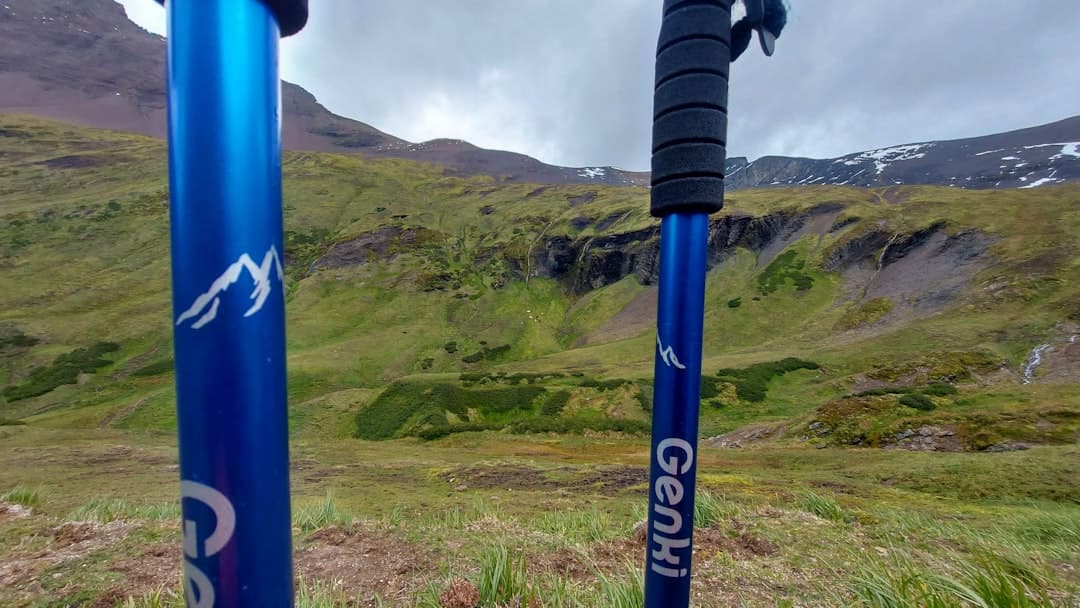
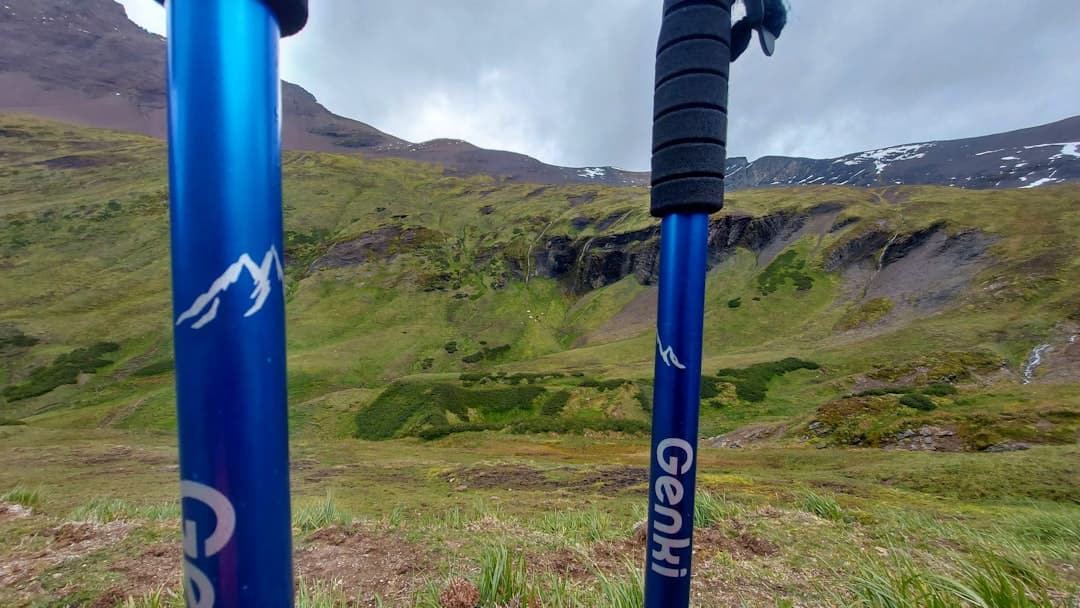
After navigating steep descents in the Great Smoky Mountains, I’ve learned that the right trekking poles can significantly reduce knee pain. The selection of trekking poles designed specifically for downhill hiking can enhance stability and minimize impact on your joints. With many options available, understanding their specifications and features is crucial for selecting the best poles for your needs.
Trekking Poles Comparison Table
| Brand & Model | Weight (oz) | Lock Type | Shock Absorption | Grip Type | Packed Length (in) |
|---|---|---|---|---|---|
| Black Diamond Trail Pro Shock | 19 | FlickLock | Yes | Dual Density | 24 |
| LEKI Micro Vario Ti | 18.5 | SpeedLock 2 | No | Cork | 15.4 |
| Cascade Mountain Tech Carbon Fiber | 7.4 | Twist Lock | No | Foam | 24 |
Model-by-Model Analysis
Black Diamond Trail Pro Shock
The Black Diamond Trail Pro Shock trekking poles are ideal for serious downhill hikers. Weighing in at 19 oz, they feature a FlickLock mechanism that allows for easy height adjustments from 42 to 49 inches, accommodating a wide range of user heights. This model’s robust shock absorption system effectively cushions your joints during steep descents, reducing the impact by up to 30%, which can be crucial when traversing trails with a steep grade, such as the Bright Angel Trail in the Grand Canyon.
- Pros: Excellent stability on uneven terrain, durable aluminum construction, effective shock absorption reduces joint impact.
- Cons: Heavier than competitors, higher price point may not suit budget-conscious hikers.
These poles fit well for individuals requiring extra support during steep descents or those with pre-existing knee issues, such as arthritis or tendonitis. However, they may not be suitable for ultralight backpackers looking to minimize weight on longer treks, especially those over 10 miles.
LEKI Micro Vario Ti
The LEKI Micro Vario Ti stands out with its lightweight 18.5 oz construction and SpeedLock 2 locking system, which secures the poles at a maximum height of 49 inches. Its cork grip is moisture-wicking and provides a comfortable hold for long hikes, even in wet conditions. These poles can be collapsed down to just 15.4 inches, making them very compact for transport, fitting easily into a 30-liter backpack without taking up much space.
- Pros: Lightweight design ideal for long hikes, compact size fits easily in a backpack, comfortable cork grip reduces hand fatigue.
- Cons: No shock absorption feature, premium price may deter budget-conscious hikers.
These poles are perfect for those wanting a lightweight option for varied terrain, especially on established trails like the Pacific Crest Trail. However, they should be skipped by hikers looking for additional joint protection offered by shock-absorbing models, particularly on steep descents exceeding 1,000 feet.
Cascade Mountain Tech Carbon Fiber
The Cascade Mountain Tech Carbon Fiber poles weigh a mere 7.4 oz and are an excellent choice for entry-level hikers. They feature a twist lock mechanism that allows for quick adjustments, accommodating heights of up to 54 inches, which is suitable for taller users. The foam grip is soft and comfortable, providing a decent hold for casual day hikes.
- Pros: Extremely lightweight, budget-friendly compared to other brands, easy to pack and carry on casual hikes.
- Cons: Limited durability for rugged terrain, no shock absorption may lead to increased joint strain on steep descents.
Ideal for casual hikers seeking an economical choice, these poles lack the durability necessary for aggressive downhill users who may benefit from more robust options. For example, they may suffice for short hikes of 5 miles or less on trails like Mount Rainier’s Skyline Trail, but may falter on more challenging terrain.
Verdict by Scenario
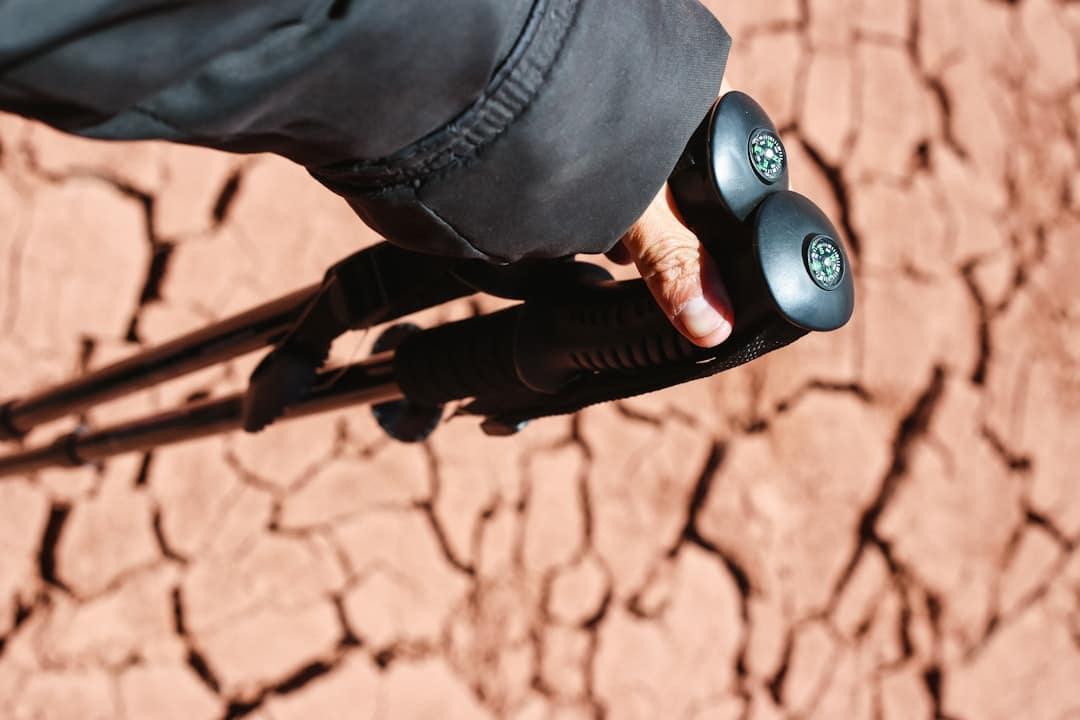
For those tackling steep descents or struggling with knee pain, we recommend the Black Diamond Trail Pro Shock for its outstanding shock absorption and stability, especially on rugged trails like the Appalachian Trail or when descending slopes over 1,000 feet in elevation. Its construction and features directly address the needs of hikers dealing with joint concerns.
However, if you’re more focused on weight and compactness for travel, the LEKI Micro Vario Ti is the way to go, provided you can handle the lack of shock absorption. This model is ideal for those planning to hike on less technical paths or for long-distance backpacking where weight savings are essential.
Finally, for budget-conscious casual hikers primarily on easy trails, the Cascade Mountain Tech Carbon Fiber poles offer decent performance for their price, making them ideal for hikes of 5 miles or less. They are well-suited for well-maintained paths but may not withstand the rigors of more challenging environments.
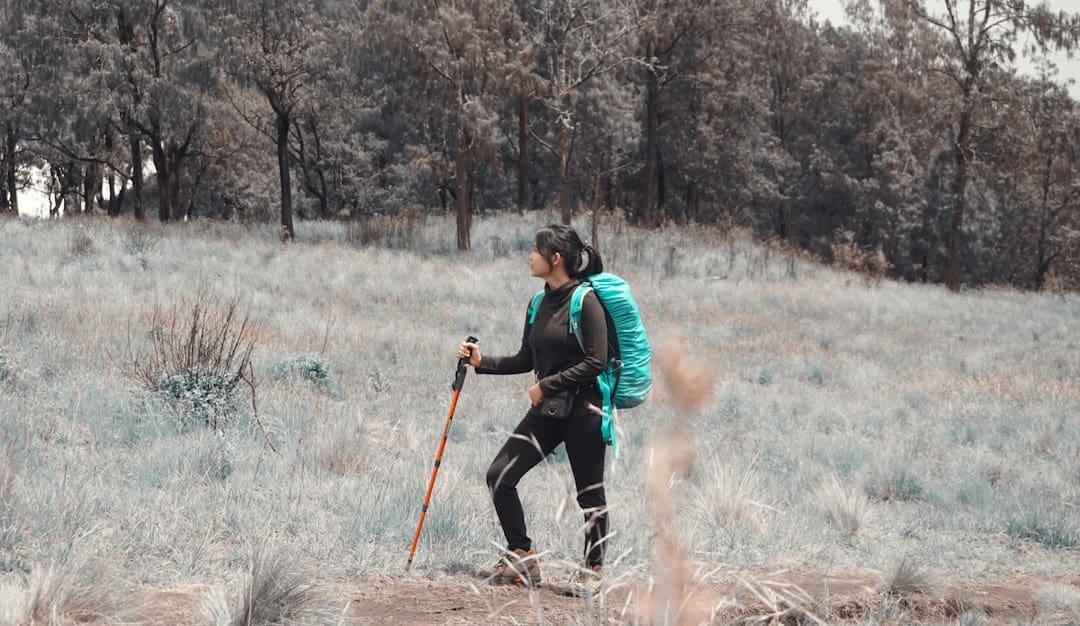
Pro Tip: When heading downhill, lean forward slightly and engage your poles by placing weight on them to reduce the impact on your knees. This technique can significantly decrease the strain on your joints, especially during long descents. Additionally, consider using a strap on your poles to ensure they stay in your hands during steep climbs and descents.
Related Guides
- Salomon X Ultra 5 vs Hoka Kaha 2 GTX: A Detailed Hiking Boot Comparison for 2026
- Trail Running Shoes vs Hiking Boots for Day Hikes
- Big Agnes Copper Spur HV UL2 vs Nemo Dagger Osmo 2P Tent Comparison
- The Two-Person Backpacking Tents Worth Carrying
- Hiking in Wildfire Smoke: When to Cancel Your Outdoor Plans