15 days ago26
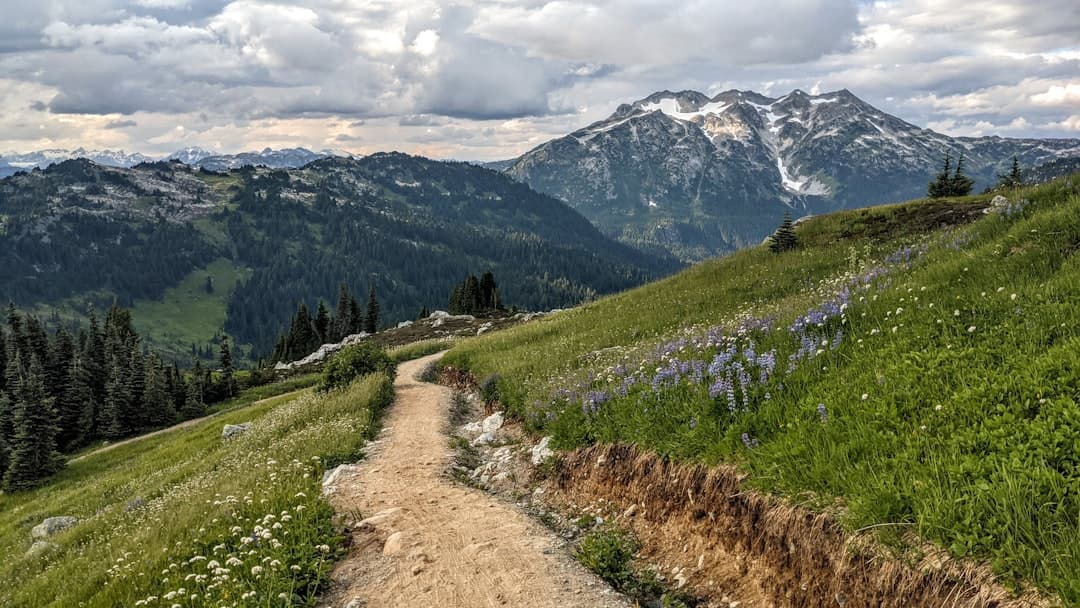
Photo by Mateusz Sobczak on Unsplash
Key Takeaways
- Acclimatization is crucial; gain no more than 1,000 feet in elevation per day above 10,000 feet.
- Stay hydrated with at least 3-4 liters of water daily to help mitigate symptoms.
- Consider taking acetazolamide (Diamox) for altitude sickness prevention; consult your doctor first.
- Monitor your pulse oximeter regularly; a reading below 90% may indicate the need to descend.
- Descending to lower elevations is critical if symptoms worsen; don’t hesitate to turn back.
Understanding Acclimatization
Acclimatization is the body’s natural adjustment to high altitudes. For first-time campers above 10,000 feet, follow a strict ascent plan:
- Spend the first night at 8,000-9,000 feet to adjust.
- On the second day, ascend to 10,000 feet and rest.
- If comfortable, you can continue to 11,000 feet on the third day; however, if you experience symptoms, stay put.
- Limit elevation gains to 1,000 feet per day above 10,000 feet.
- After reaching your target campsite, spend an additional day acclimatizing before venturing higher.
Essential Medication
Acetazolamide (Diamox) is a carbonic anhydrase inhibitor that helps speed up acclimatization. Consult with your healthcare provider before your trip about using it:
- Dosage: Typical doses are 125-250 mg taken twice daily, starting 1-2 days before ascent.
- Potential side effects include tingling in fingers, increased urination, and taste alteration.
Always consult a healthcare professional before using medications for altitude sickness.
Monitoring Vital Signs
Using a pulse oximeter is highly recommended. Aim for an oxygen saturation level of at least 90%. If your levels drop significantly:
- Rest and hydrate immediately.
- Consider descending if levels do not improve.
Hydration Essentials
Hydration plays a key role in preventing altitude sickness. Aim for:
- 3-4 liters of water daily; adjust based on exertion and temperature.
- Include electrolyte tablets such as Nuun or Ultima to replenish lost minerals.
When to Descend
Know the signs that it’s time to descend:
- Persistent headaches not relieved by over-the-counter medications.
- Shortness of breath or a persistent cough.
- Nausea or severe fatigue.
Quick Reference Summary
- Acclimatize slowly; gain no more than 1,000 feet per day.
- Hydrate with 3-4 liters of water daily.
- Use acetazolamide (Diamox) as advised.
- Monitor pulse oximeter readings closely.
- Descend if symptoms worsen.