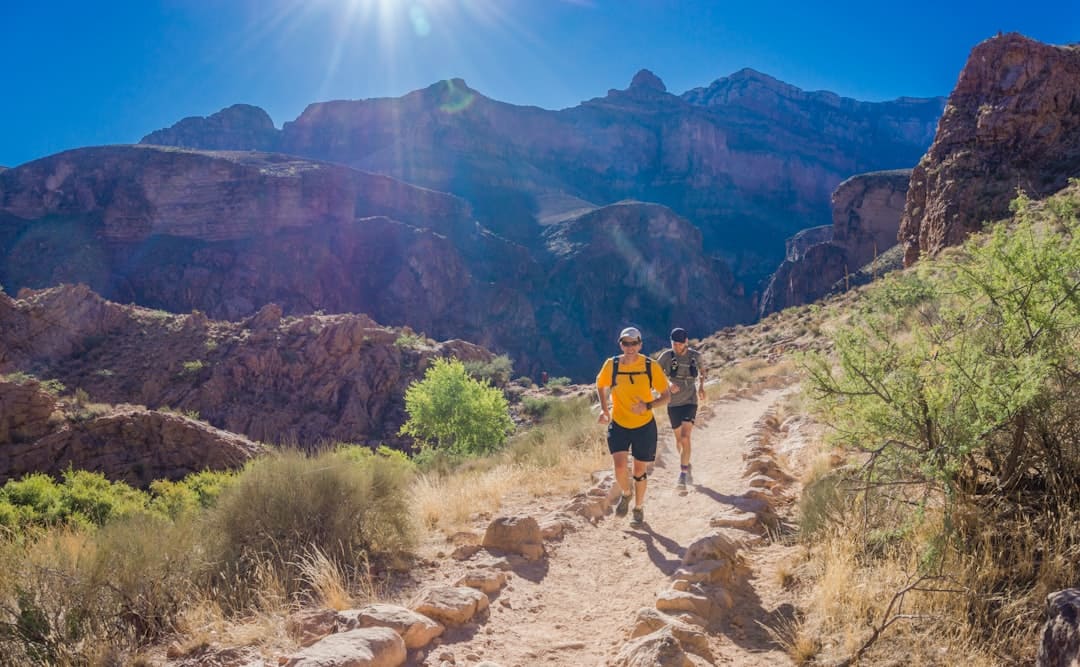
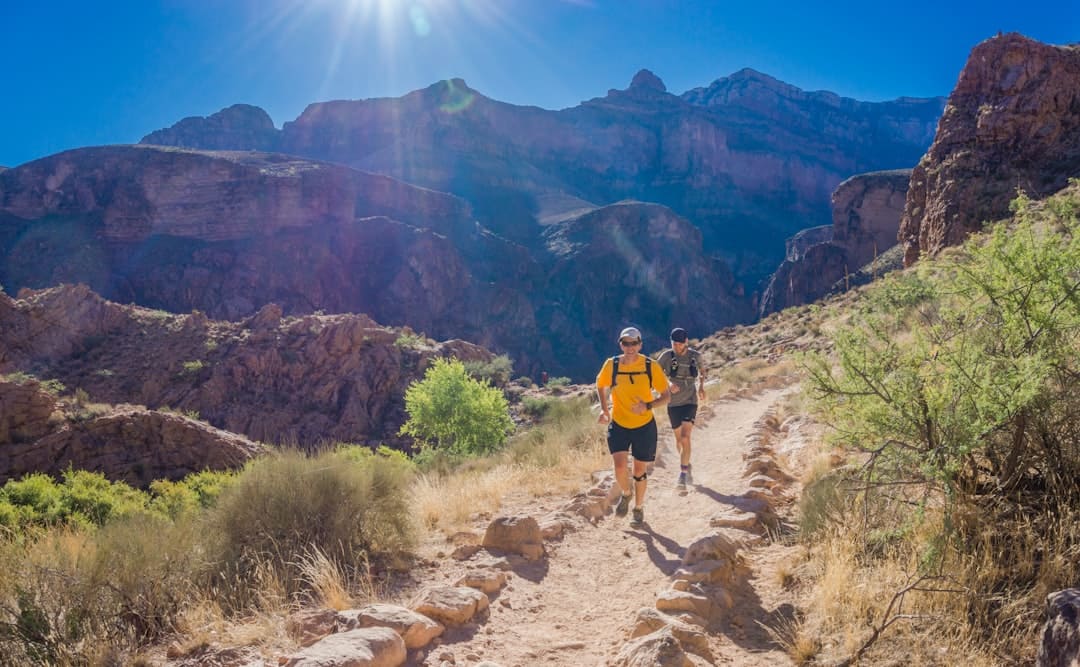
Key Takeaways
- Recognize the early signs of heat exhaustion versus heat stroke.
- Stay hydrated with water and electrolytes.
- Know when to cool down and seek help on the trail.
How to Hike Safely in Extreme Heat
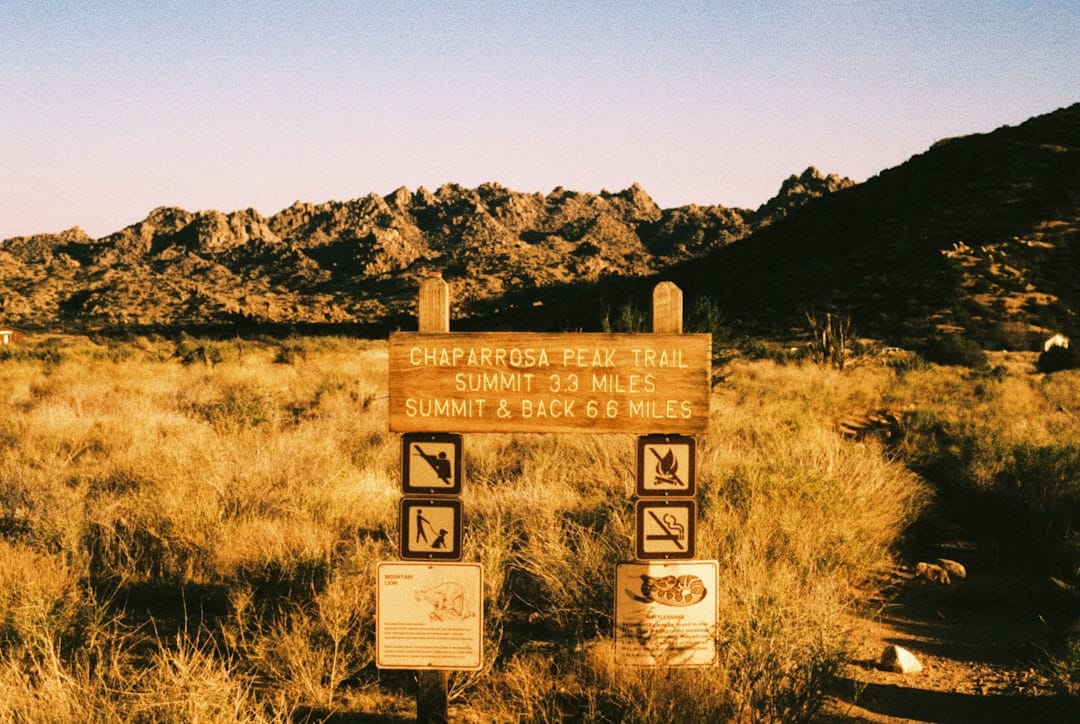
Extreme heat can turn a pleasant hike into a dangerous situation. Understanding warning signs and prevention methods can make a critical difference on the trail. With temperatures often exceeding 100°F in summer months and low humidity levels, the Mojave is unforgiving. This guide provides actionable steps to ensure safety while hiking in extreme heat.
1. Know the Signs of Heat-Related Illness
Recognizing the difference between heat exhaustion and heat stroke is essential:
- Heat Exhaustion: Symptoms may include heavy sweating, weakness, dizziness, nausea, and headaches. If you begin to feel these symptoms, it’s crucial to act quickly. According to the CDC, heat exhaustion occurs when your body loses too much water and salt. If untreated, it can progress to heat stroke.
- Heat Stroke: Symptoms escalate to confusion, rapid pulse, high body temperature (≥104°F), and loss of consciousness. This is a medical emergency—call for help immediately. Heat stroke can lead to permanent disability or death if not treated promptly.
2. Stay Hydrated
Hydration is key to preventing heat-related illnesses. Here’s how:
- Drink at least 1 liter of water per hour when hiking in extreme heat. This equates to about 34 ounces—consider carrying a hydration pack like the Osprey Hydration Pack to make this easier. Many packs come with a built-in reservoir that allows for hands-free drinking.
- Include electrolyte solutions like Nuun Hydration Tablets or Gatorade Endurance to balance sodium loss. Aim for 300-700 mg of sodium per liter of water to help retain fluids. Electrolyte tablets are lightweight and easy to pack, helping you avoid the bulk of liquid sports drinks.
- Monitor your urine color—light yellow indicates proper hydration, while dark yellow suggests you need more fluids. A simple rule of thumb: if your urine is clear, you’re likely well-hydrated, but if it’s dark, it’s time to drink more water.
3. Take Frequent Breaks
Plan regular breaks to cool down:
- Find shaded areas or use a personal shelter like the Therm-a-Rest Tech Blanket, which reflects heat while providing comfort. Alternatively, a portable sunshade can be a great asset.
- Rest for at least 10-15 minutes every hour to prevent overheating. This is particularly important during the hottest parts of the day, typically between 10 AM and 4 PM. During these hours, your body is more susceptible to heat-related stress.
4. Dress Appropriately
Wear the right gear to manage heat:
- Choose lightweight, moisture-wicking fabrics like Columbia’s PFG Line or REI Co-op Sahara Line. These materials help wick sweat away from your skin and keep you cooler. Look for items with an UPF rating (Ultraviolet Protection Factor) of at least 30 for additional sun protection.
- Consider wearing a wide-brimmed hat and UV-protection sunglasses. A hat that blocks at least 90% of UV rays is ideal, such as the Outdoor Research Sun Runner Cap. This provides shade for your face and neck, crucial areas prone to sunburn.
- Light colors reflect sunlight and help keep your body temperature down—avoid dark clothing, which absorbs heat. Fabrics labeled as breathable and quick-drying can further enhance comfort during strenuous hikes.
5. Know When to Turn Back
If symptoms of heat exhaustion appear:
- Stop hiking immediately.
- Seek shade and hydrate. If you have a portable umbrella or a lightweight tent, use it to create shade. The REI Co-op Flexlite Chair is a great lightweight option to provide comfort during breaks.
- If symptoms worsen or signs of heat stroke appear, call for help or descend to a cooler area. If you’re more than 2 miles from safety, prioritize making your way back rather than waiting for help. It’s better to be proactive than reactive in these situations.
6. Cool Down Techniques
Effective cooling strategies can save your hike:
- Apply cool, wet cloths to pulse points (wrists, neck, ankles). A bandana soaked in cold water can be very effective. Keeping a small towel in your pack for this purpose is a smart move.
- Use a portable fan or cooling towel like the Mission Enduracool. These towels can drop in temperature significantly when wet, providing immediate relief. They are compact and lightweight, making them easy to carry in your pack.
- Consider a cooling vest if hiking in particularly extreme conditions, such as the HyperKewl Evaporative Cooling Vest, which can keep your core temperature down for hours. These vests are especially useful for longer hikes in areas with minimal shade.
7. Post-Hike Recovery
After your hike, continue to hydrate and replenish electrolytes. Consider recovery drinks like GU Hydration Drink Mix or Tailwind Endurance Fuel for proper replenishment. Aim to drink an additional 1 liter of water post-hike, and monitor how you feel over the next few hours. Eating salty snacks can also help restore lost sodium. Snacks like Planters Salted Peanuts or Clif Shot Bloks can provide the necessary sodium and energy boost.
8. Prepare for Emergencies
Even with precautions, emergencies can happen. Here’s how to prepare:
- Carry a first-aid kit that includes supplies for heat-related illnesses, like electrolyte tablets and cold packs. A basic kit should include items such as adhesive bandages, antiseptic wipes, and gauze.
- Know your route and tell someone your hiking plan. Include expected return time and check-in points. Apps like AllTrails can help you track your route and share it with others.
- Have a communication device, like a satellite phone or a fully charged cell phone with emergency numbers saved. In remote areas, the Garmin inReach Mini is a reliable option for emergency communication. Ensure you have a backup power source like a portable charger.
Quick Reference Summary
- Monitor your body’s signals.
- Hydrate with both water and electrolytes—aim for 1 liter per hour.
- Take breaks every hour in shaded areas for 10-15 minutes.
- Dress smartly with moisture-wicking, light-colored clothing.
- Know when to stop and turn back to avoid heat-related illnesses.
Always consult a medical professional if experiencing severe symptoms or if unsure about your health on the trail. Heat-related illnesses can escalate rapidly. Remember, it’s always better to err on the side of caution when it comes to your health.
Related Reading
- Mastering the 2026 Vehicle Reservations for Going-to-the-Sun Road in Glacier National Park
- Comparing the Best Offline Hiking Map Apps of 2026: Gaia GPS, onX Backcountry, CalTopo, and OsmAnd
- Garmin inReach Mini 2 vs ZOLEO vs iPhone Satellite SOS: Essential Hiker’s Guide
- The Best Fall Foliage Drives in New England for 2026: State-by-State Guide