Key Takeaways
- Calmness is crucial; panic can worsen the situation.
- Keep the affected limb immobilized and lower than the heart.
- Do not apply a tourniquet or suck out venom.
- Know the high-risk states and be prepared with a first aid kit.
- Always seek professional medical help after a snake bite.
Unexpected emergencies can occur while backpacking in the Rockies, including snake bites. Knowing what to do can make a critical difference. Here’s a practical step-by-step guide on how to respond if you or someone you’re with gets bitten by a snake on a hiking trail.
What to Do Step-by-Step
- Stay Calm: Panic can increase heart rate and blood pressure, accelerating the spread of venom through the bloodstream. Take a deep breath and assess the situation. Aim to maintain a calm demeanor, as this will help reassure the victim and keep the situation from escalating. Try to speak in a steady voice and encourage the victim to focus on their breathing.
- Move Away from the Snake: Ensure you and any companions are at a safe distance from the snake to avoid further bites. The majority of snake bites occur when hikers accidentally step on or provoke snakes. If possible, note the type of snake for medical professionals, but do not attempt to capture or kill it. Most snake bites occur within 5-10 feet of where the snake was encountered.
- Call for Help: If you have cell service, call 911 or your local emergency number immediately. Provide precise details about your location, including landmarks, trail names, and GPS coordinates if available. If you’re in a remote area, consider using a satellite messenger like the Garmin inReach Mini, which can send an SOS signal even without cell service. Make sure to inform dispatchers about the type of snake if known, as this can influence treatment.
- Immobilize the Affected Limb: Keep the bitten limb still and lower than the heart to slow the spread of venom. Use splints or a makeshift device to stabilize the area. If the bite is on a leg, sit the person down and help them recline back. Avoid any movement that might aggravate the injury. If you have a Sam Splint or similar first aid gear, use it to immobilize the limb effectively.
- Remove Tight Clothing: Loosen any jewelry, belts, or clothing near the bite site to allow for swelling. If possible, cut away clothing without applying pressure to the bite area. This helps prevent constriction as swelling occurs. If you have scissors in your first aid kit, use them to avoid unnecessary pressure on the bite area.
- Do Not Apply Ice: Ice can cause tissue damage and is not an effective treatment for snake bites. Instead, keep the area clean and dry. If you can, cover the wound with a sterile dressing or a clean cloth to protect it from dirt and bacteria. Use sterile gauze pads from your first aid kit if available. Avoid any ointments or creams.
- Monitor Vital Signs: Keep track of the victim’s breathing, pulse, and consciousness until help arrives. If they become unresponsive or stop breathing, be prepared to perform CPR. Familiarize yourself with basic first aid techniques beforehand; resources like the American Red Cross offer courses. Check for symptoms such as swelling, discoloration, and pain around the bite site.
- Prepare for Transport: If help is delayed, prepare to transport the victim to a medical facility as safely as possible. Use a sturdy backpack or a makeshift stretcher to carry them if necessary. Keep the person calm and reassured; movement should be minimized to avoid further venom spread. If you are hiking with a group, assign someone to stay with the victim while others seek help.
What Not to Do
- Do Not Suck Out Venom: This practice is ineffective and can worsen the injury. It can introduce bacteria into the wound and cause additional tissue damage. Medical professionals advise against this method, as it does not provide any benefit.
- Do Not Apply a Tourniquet: Tourniquets can cause severe damage and should only be used in extreme circumstances. If a person is experiencing severe bleeding, applying direct pressure is more effective. According to the American College of Emergency Physicians, a tourniquet can lead to permanent damage if used improperly.
- Do Not Drink Alcohol: Avoid consuming alcohol or any other substances that may impair judgment or effectiveness in case of emergency. Alcohol can dilate blood vessels and speed up the spread of venom. Staying hydrated with water is crucial, but avoid caffeinated drinks as they can dehydrate the victim.
When to Call 911
Always call 911 after a snake bite, even if the bite seems minor. Symptoms may worsen over time, and professional medical evaluation is crucial. If the victim shows signs of severe allergic reaction, such as difficulty breathing, swelling of the face or throat, or rapid heartbeat, call for help immediately. Additionally, if the bite is from a known venomous snake, such as a rattlesnake or copperhead, immediate medical attention is necessary. Look for symptoms such as severe pain, swelling, and discoloration at the bite site.
High-Risk Regions by State
| State | Common Venomous Snakes | Notes |
|---|---|---|
| Arizona | Western Diamondback Rattlesnake | High population density in desert regions. |
| California | Pacific Rattlesnake | Common in foothills and coastal areas. |
| Florida | Eastern Diamondback Rattlesnake, Cottonmouth | Frequent in wetlands and swamps. |
| Texas | Western Diamondback Rattlesnake, Copperhead | Varied habitats; caution advised in rural areas. |
| North Carolina | Eastern Timber Rattlesnake, Cottonmouth | Found in a range of ecosystems from mountains to swamps. |
Understanding Snake Bites
In the United States, approximately 7,000 to 8,000 people are bitten by snakes each year, with most bites occurring in the warmer months (April to October) when snakes are more active. While the majority of these bites are from non-venomous snakes, it’s important to be able to identify venomous species. Common venomous snakes include:
- Eastern Diamondback Rattlesnake: Found in the Southeastern U.S., these snakes can grow up to 8 feet long and are known for their distinct rattling sound. Their venom can cause significant tissue damage and systemic effects.
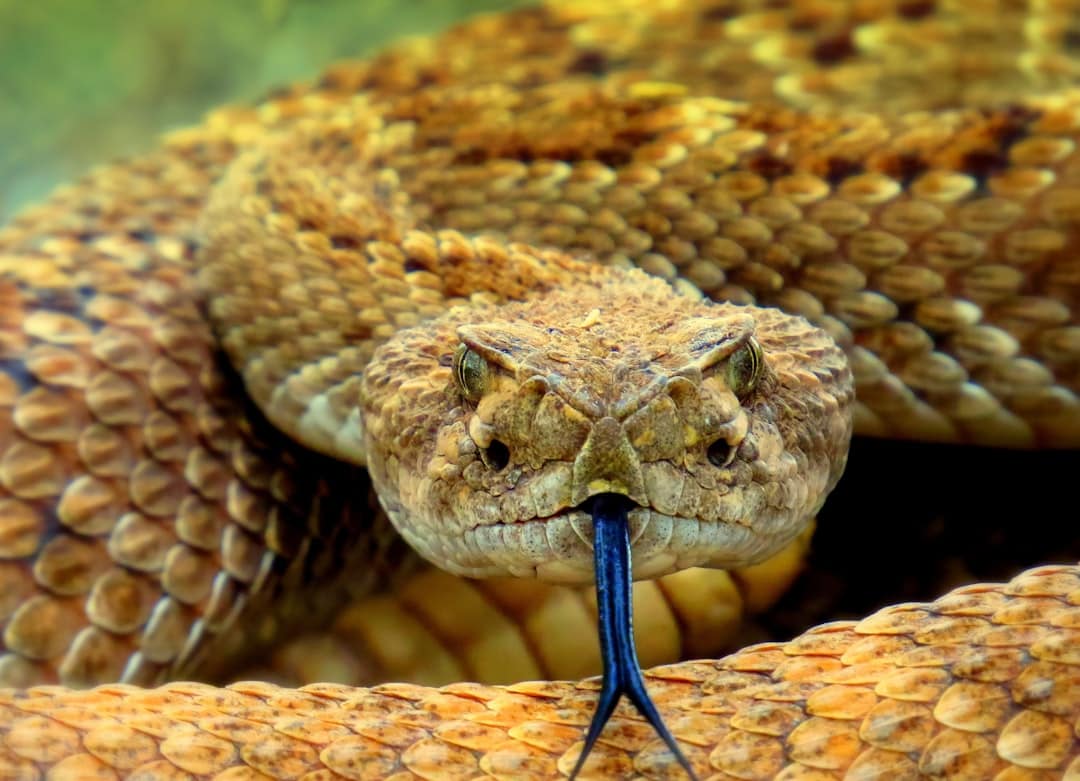
- Western Diamondback Rattlesnake: Common in the Southwestern U.S., they are recognizable by their diamond-shaped patterns and can deliver a potent venom. Their bites can result in severe pain and swelling.
- Copperhead: Found in the Eastern U.S., they have a distinctive copper-colored head and are often found in wooded areas. Their bites are rarely fatal but can cause severe pain and swelling.
- Cottonmouth: Also known as water moccasins, these semi-aquatic snakes are commonly found in the Southeastern U.S. and are known to be aggressive if threatened. Their venom can cause significant tissue damage.
First Aid Kit Essentials
Equipping yourself with a first aid kit that includes essential items can be life-saving in case of emergencies. Here are some recommended items to include:
- Adhesive Bandages: Various sizes for minor cuts and scrapes.
- Antiseptic Wipes: For cleaning wounds to prevent infection.
- Gauze Pads: To cover larger wounds if necessary.
- Leukotape: Excellent for securing dressings and providing support.
- Small Scissors: Useful for cutting tape or clothing away from the bite site.
- Instant Cold Packs: While not recommended for snake bites, these can be useful for other injuries.
- Emergency Blanket: To keep the victim warm or to signal for help.
- CPR Face Shield: Useful for performing CPR safely.
- Snake Bite Kit: Skip suction-based “snake bite kits” — medical experts advise against them: venom extractors don’t remove meaningful venom and can worsen tissue damage. A basic dressing and fast evacuation matter far more.
Please note: This article is for informational purposes only and is not a substitute for professional medical advice. Always seek help from qualified healthcare providers in an emergency.
Final Thoughts
Understanding how to respond to a snake bite on the trail is vital for safety. Prepare for the unexpected by carrying a well-stocked first aid kit and familiarizing yourself with the common venomous snakes in your hiking area. Always prioritize getting professional medical help after a snake bite, regardless of the perceived severity. Taking these precautions can help ensure a safer hiking experience.
Related Guides
- How to Treat Hiking Blisters on Heel with Moleskin and Leukotape
- How to Pack Light for the Backcountry
- Exploring the Best Hiking Trails Near National Parks: A Guide for Adventurers
- Hiking Boots for Wide Feet That Actually Fit
- Score Half-Price Hiking Backpacks at REI: Your Guide to Used Gear Sales