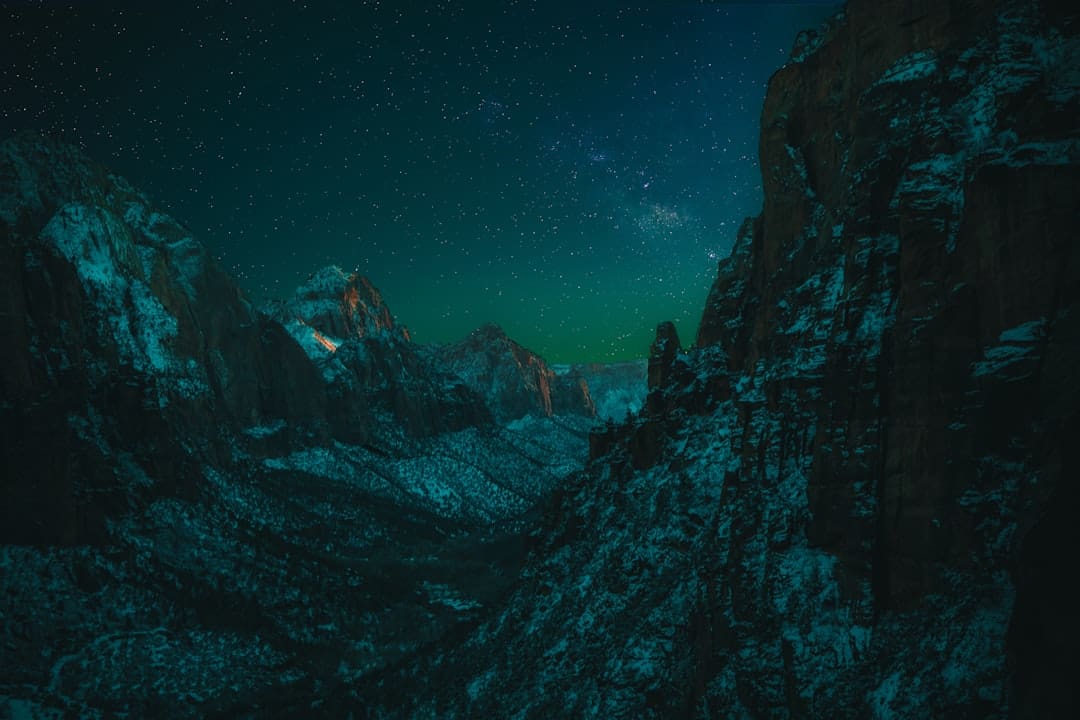
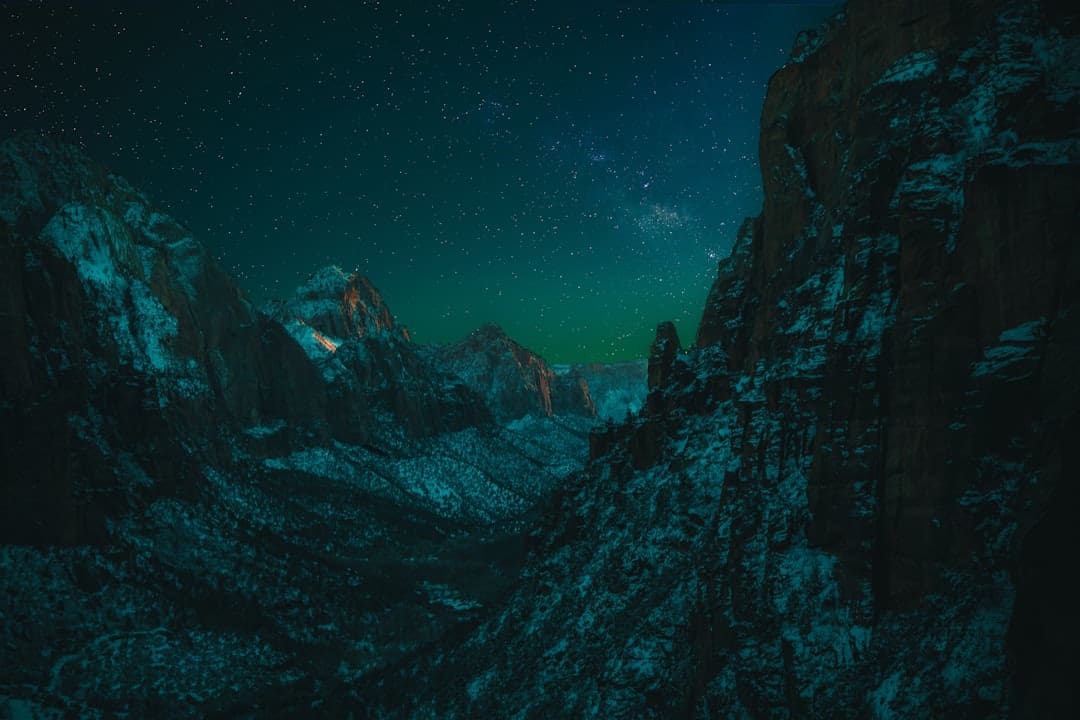
Best Dark Sky National Parks for Stargazing in 2026
Key Takeaways
- Big Bend National Park offers a prime stargazing experience from November to February.
- Death Valley National Park is best visited during the new moon, particularly in April and October.
- Cherry Springs State Park is a designated Dark Sky Park, ideal for viewing in late summer.
- Natural Bridges National Monument provides excellent viewing opportunities in the fall months.
- Each park has nearby camping options for a full stargazing experience.
1. Big Bend National Park, Texas
Big Bend National Park, designated as a Dark Sky Park, is ideal for stargazing from November to February, when the skies are clearest and temperatures are mild, averaging around 50°F at night. The park covers over 800,000 acres and is located in a remote area of West Texas, which contributes to its minimal light pollution. The best strategy for viewing is during the new moon phases; for 2026, these occur on January 2, February 1, and February 28, as the lack of moonlight enhances visibility of celestial events. A popular spot for stargazing is the Chisos Basin, accessible via the Chisos Basin Road, which provides stunning views of the Milky Way. For camping, check out the Chisos Basin Campground, which is conveniently located nearby and offers 30 campsites with restroom facilities. Reservations can be made through the National Park Service website and are highly recommended, especially during peak season. The park also hosts a Star Party in February, where rangers provide telescopes and guidance for visitors.
2. Death Valley National Park, California
For those seeking the darkest skies, Death Valley National Park is a top choice, particularly during the new moon in April and October, when the temperatures are moderate and the visibility is exceptional. The park holds the title of the lowest national park in the United States, sitting at 282 feet below sea level, which contributes to its dry climate and crystal-clear nights. The Mesquite Flat Sand Dunes are a favored site for stargazers, providing a vast, open horizon. The park also offers Furnace Creek Campground for overnight stays, with amenities such as restrooms, water, and picnic tables available on-site. Reservations can be made through recreation.gov. For the best experience, plan your visit during the new moon phases—on April 20 and October 14 in 2026. Remember to bring plenty of water, as daytime temperatures can soar above 120°F in summer, and ensure your vehicle is equipped to handle the park’s rugged terrain.
3. Cherry Springs State Park, Pennsylvania
Cherry Springs State Park is one of the best locations for stargazing due to its dark skies, particularly from late summer to early fall. The park is recognized as a Gold Tier Dark Sky Park, allowing for excellent visibility of constellations and meteor showers. The new moon periods are particularly spectacular, with events such as the Perseid Meteor Shower best observed in mid-August. The park features a designated Astronomy Field that is open year-round, providing an unobstructed view of the night sky. Nearby camping is available at the Cherry Springs Campground, which offers sites with electrical hookups and is highly recommended to reserve ahead of time via the state park’s website. The campground has 30 sites, and amenities include restrooms and picnic tables. You can also join local astronomy clubs that host events throughout the summer, providing telescopes and knowledgeable guides to enhance your experience.
4. Natural Bridges National Monument, Utah
Natural Bridges National Monument, known for its breathtaking rock formations, also offers exceptional stargazing opportunities, especially in the fall months of September and October. The park’s high elevation at 6,400 feet and minimal light pollution make it ideal for observing the Milky Way. The best viewing spot is at the Sunset Viewpoint, which provides a panoramic view of the night sky. The park is also home to some of the darkest skies in the country, and it hosts annual astronomy festivals that attract stargazers from around the region—check the schedule for events in September 2026. For camping, the Natural Bridges Campground offers 13 primitive sites with access to restroom facilities. Reservations are highly recommended, especially during the fall season, and can be made through the National Park Service. Be sure to arrive early to set up your campsite and get settled before sunset for the best stargazing experience.
Summary
To fully enjoy the wonders of the night sky, choosing the right dark sky park and time is crucial. Each of these parks provides unique opportunities for stargazing, along with nearby camping options. Whether planning a trip to Big Bend or Death Valley, make sure to time your visit around the new moon for the best experience. Additionally, consider participating in ranger-led programs or local astronomy club events to enrich your stargazing adventure.
Always check local regulations and park availability before planning your trip. Weather conditions can change rapidly, so come prepared. Keep in mind that high elevations can lead to cooler temperatures at night, so dress accordingly.
Fees for Entry
| Park | Fee |
|---|---|
| Big Bend National Park | $30 per private vehicle, valid 7 days |
| Death Valley National Park | $30 per private vehicle, valid 7 days |
| Natural Bridges National Monument | $20 per private vehicle, valid 7 days |
| Cherry Springs State Park | check the official site for current fees |
| Joshua Tree National Park | $30 per private vehicle, valid 7 days |
| Grand Canyon National Park | $35 per private vehicle, valid 7 days |
Related Reading
- Peak Fall Foliage in the Smokies: Key Dates and Overlook Insights for 2026
- Winning the Zion Angels Landing Permit Lottery: Your 2026 Strategy
- How to Trigger an SOS Without Cell Signal: A Step-by-Step Guide
- Is Your iPhone Enough? Evaluating Satellite Messengers in 2026

2 thoughts on “Best Dark Sky National Parks for Stargazing in 2026”