Key Takeaways
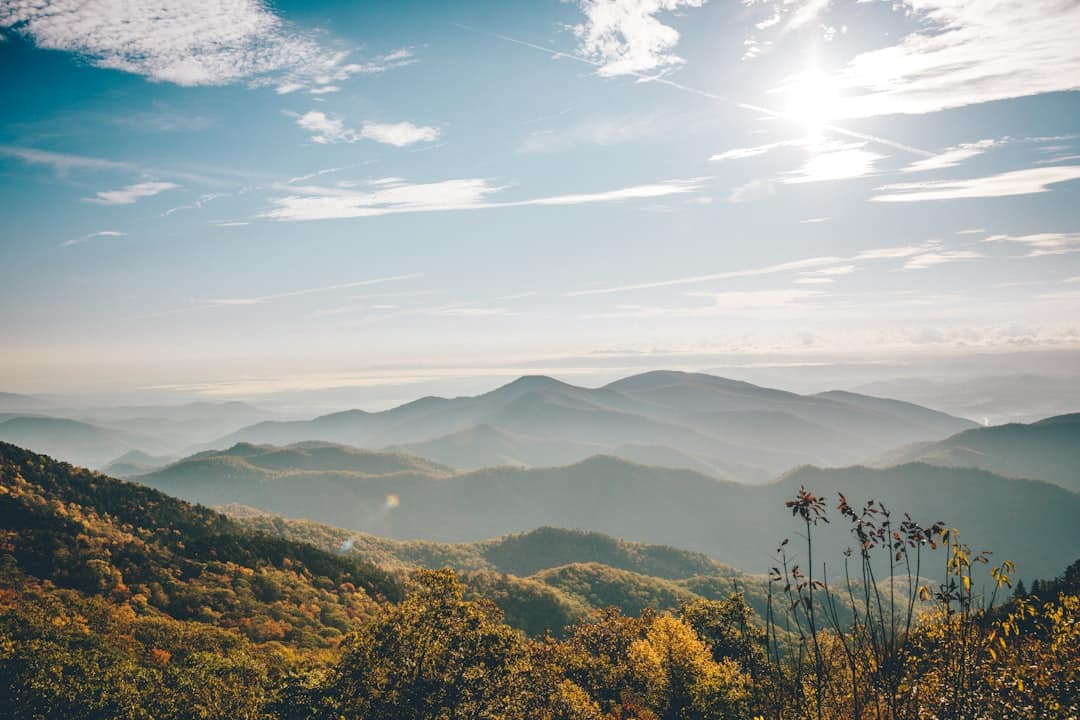
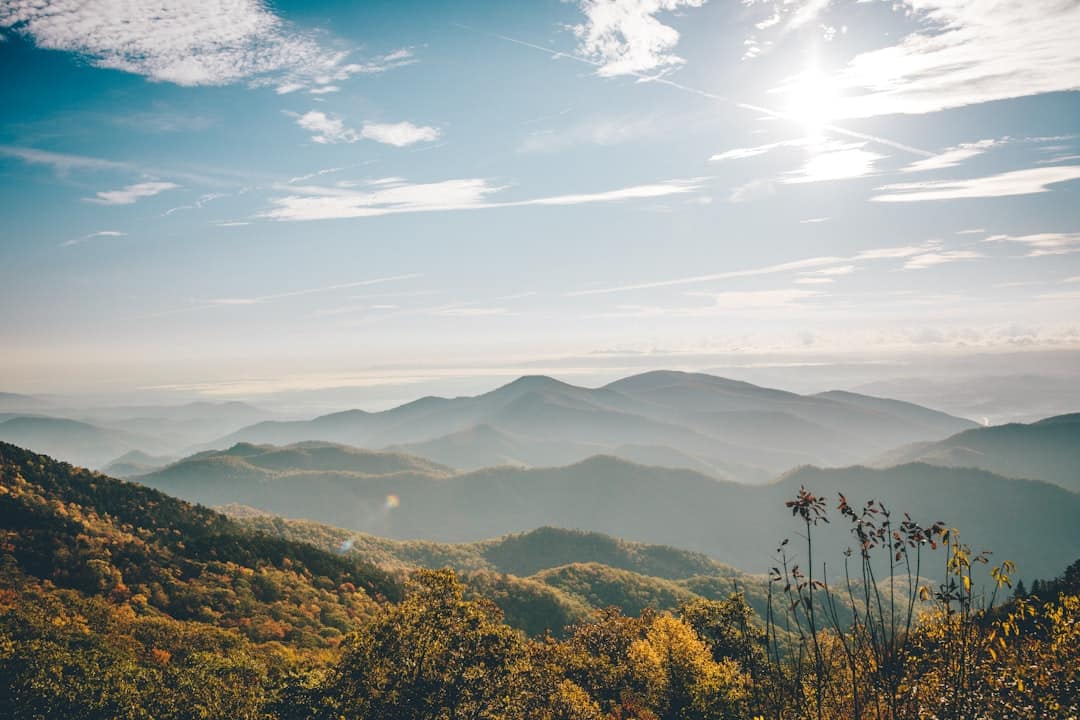
- Peak foliage in the Smokies generally occurs from mid-October to early November.
- Higher elevations like Clingmans Dome show peak colors first, followed by mid-elevation areas.
- Plan short hikes to overlooks like Newfound Gap for stunning views.
- Arrive early to avoid traffic, especially on weekends.
- Use sunrise and sunset strategically for photography opportunities.
Understanding Fall Foliage Timing
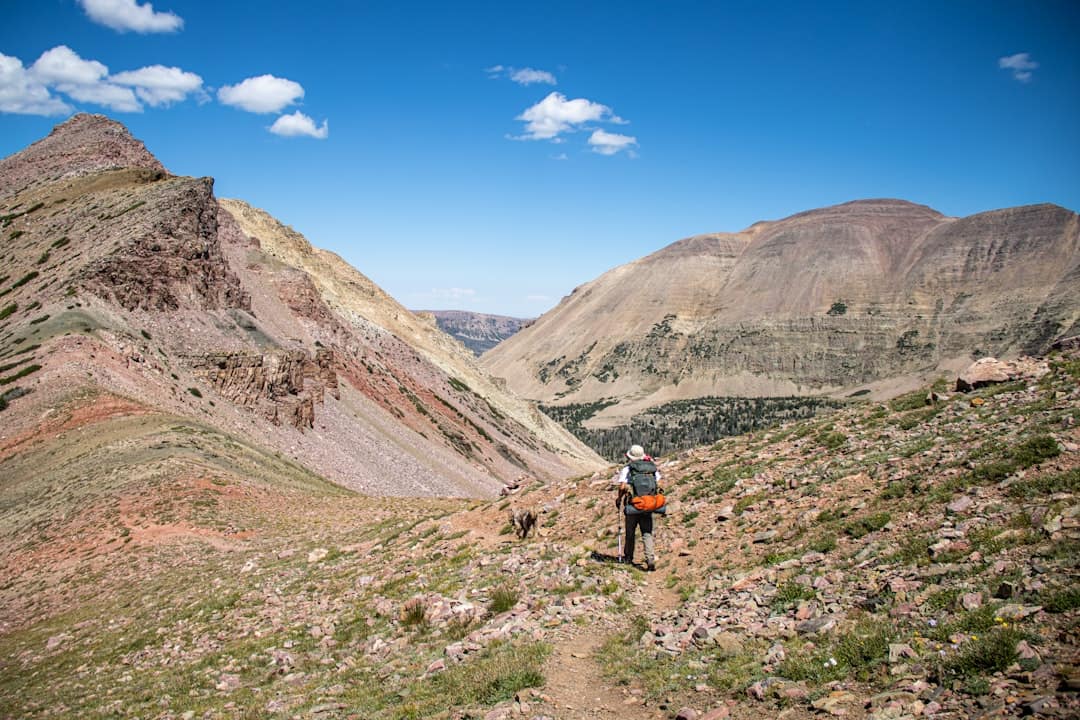
In the Great Smoky Mountains, elevation plays a critical role in determining the timing of fall foliage. Typically, the highest elevations will see peak colors first, usually around the second week of October, while lower elevations peak later, often extending into early November. This delay is primarily due to temperature variations and microclimates within the park. For instance, areas at 5,000 feet and above can experience frost, which can enhance the colors but also means those leaves change earlier. This phenomenon is influenced by the park’s diverse ecosystems, where different species of trees contribute to the overall color palette, ranging from vibrant oranges and reds to deep yellows.
Peak Dates by Elevation
To maximize your experience, consider the following elevations and their corresponding peak dates:
| Elevation Range | Peak Foliage Dates |
|---|---|
| 5,000+ ft (Clingmans Dome) | October 6-13 |
| 3,000-4,999 ft (Newfound Gap) | October 13-20 |
| 2,000-2,999 ft | October 20-27 |
| Below 2,000 ft | October 27-November 4 |
Top Overlooks for Fall Foliage
The Great Smoky Mountains offer some of the best overlooks for fall colors. Notable spots include:
- Clingmans Dome: At 6,643 feet, it’s the highest point in the park, providing sweeping views of the surrounding foliage. The paved half-mile trail to the observation tower offers a relatively easy hike to breathtaking vistas. Expect to see a stunning panorama, especially on clear days, where you can spot up to 100 miles away. This overlook can get busy, so aim to arrive by sunrise.
- Newfound Gap: Accessible via the Newfound Gap Road (US 441), this overlook is perfect for sunrise shots. The elevation is 5,046 feet, allowing for stunning views of the valleys below. The gap is also a significant historical site, as it serves as the border between North Carolina and Tennessee, and features a parking area that can accommodate larger vehicles.
- Morton Overlook: A less crowded spot located along Newfound Gap Road, Morton Overlook provides a fantastic view of the valley and is particularly scenic at sunset. The overlook is at an elevation of 4,500 feet, and you can access it via a short drive from Newfound Gap, providing a more tranquil setting for those looking to escape crowds.
Best Short Hikes to Fall Foliage Vistas
For those looking to stretch their legs while enjoying the colors, consider these short hikes:
- Laurel Falls Trail: This 2.6 miles round trip trail is paved and accessible, leading to a beautiful 80-foot waterfall. The hike is suitable for families and offers excellent views of the changing leaves along the way. Peak colors can often be seen along the trail itself, making it a great option for those who want to enjoy fall foliage without venturing too far.
- Gatlinburg Trail: This 3.8 miles round trip trail is relatively flat and runs alongside the Little Pigeon River, offering great views of the changing leaves. The trailhead is located near the Gatlinburg Welcome Center, making it an easy option for families. Expect more vibrant colors as you approach mid-October.
- Alum Cave Trail: A 5 miles round trip hike with moderate difficulty, this trail offers stunning views at the top, particularly at Alum Cave Bluffs. The trail features interesting geological formations and vibrant fall colors, especially around October 20-27. Be prepared for some elevation gain, with a total ascent of about 1,100 feet.
Traffic-Avoidance Tips
During peak fall foliage season, the Smokies can become crowded. Follow these strategies to avoid traffic:
- Arrive Early: Weekends are particularly busy, so plan to arrive by sunrise. The park’s gates open at 24 hours, allowing for early access. Parking lots can fill up quickly, especially at popular trailheads.
- Visit Weekdays: If possible, schedule your trip during the week for less congestion. Monday through Thursday typically sees fewer visitors. This is a great way to enjoy the park’s serenity and capture better photographs without crowds.
- Use Alternative Routes: Consider accessing overlooks from less popular roads, such as the Foothills Parkway, which provides unique views without the heavy traffic. This scenic drive spans 33 miles and offers numerous pull-offs for photography and relaxation.
Pro Tip: Check the National Park Service website for real-time updates on road conditions and foliage reports. Early birds can also find parking easier and enjoy quieter trails.
Photography Tips for Fall Foliage
Capturing the vibrant colors of fall in the Smokies requires some planning. Here are some photography tips:
- Golden Hour: The best times for photography are during the golden hours—just after sunrise and just before sunset. The soft light enhances colors and reduces harsh shadows. Aim to be set up about 30 minutes before the sun rises to capture the best light.
- Use a Tripod: A tripod is essential for low-light conditions, especially during sunrise and sunset. It stabilizes your camera and allows for longer exposure times without blurring. Investing in a lightweight, durable tripod can make a significant difference in your photography results.
- Wide-Angle Lens: A wide-angle lens is perfect for capturing expansive landscapes. It helps to include more of the stunning scenery in your shots. Consider using a lens with a focal length of 10-24mm for the best results.
- Experiment with Angles: Don’t just shoot from the overlook. Move around to find unique angles and perspectives that highlight the foliage. Try shooting from lower angles to emphasize the foreground, or look for framing opportunities with trees or rocks.
Where to Stay During Your Visit
For a successful fall foliage trip, consider your lodging options in proximity to the park. Here are some recommended accommodations:
- Elkmont Campground: A popular choice for campers, this campground offers access to the Little River and is only a short drive from trailheads. Reservations are required in advance and can be made through Recreation.gov. The campground has about 50 sites, with fees typical for campgrounds in the area. Facilities include restrooms and picnic areas.
- Gatlinburg: This bustling town has numerous hotels and motels ranging from budget to luxury. Staying here provides easy access to both the park and local amenities. Look for accommodations that offer free breakfast and shuttle services to the park.
- Pigeon Forge: Just a short drive from the park, Pigeon Forge has many cabin rentals and hotels. It’s a good base if you want more entertainment options after a day of hiking. Expect to pay mid-range for cabins, particularly those with stunning views of the mountains.
Conclusion
Planning your visit to the Great Smoky Mountains during the fall foliage peak requires knowledge of both timing and location. By targeting high-elevation areas first, utilizing specific overlooks, and choosing the right hikes, you can fully immerse yourself in the stunning autumn scenery. Always remember to check local resources for the most current information before you go. The beauty of the Smokies in fall is unparalleled, making it a prime destination for nature lovers and photographers alike. Don’t forget to pack layers, as temperatures can vary significantly throughout the day and at different elevations.
Related Reading
- Winning the Zion Angels Landing Permit Lottery: Your 2026 Strategy
- How to Trigger an SOS Without Cell Signal: A Step-by-Step Guide
- Is Your iPhone Enough? Evaluating Satellite Messengers in 2026
- Navigating the Trail in Extreme Heat: Signs of Heat Stroke and Prevention Tips