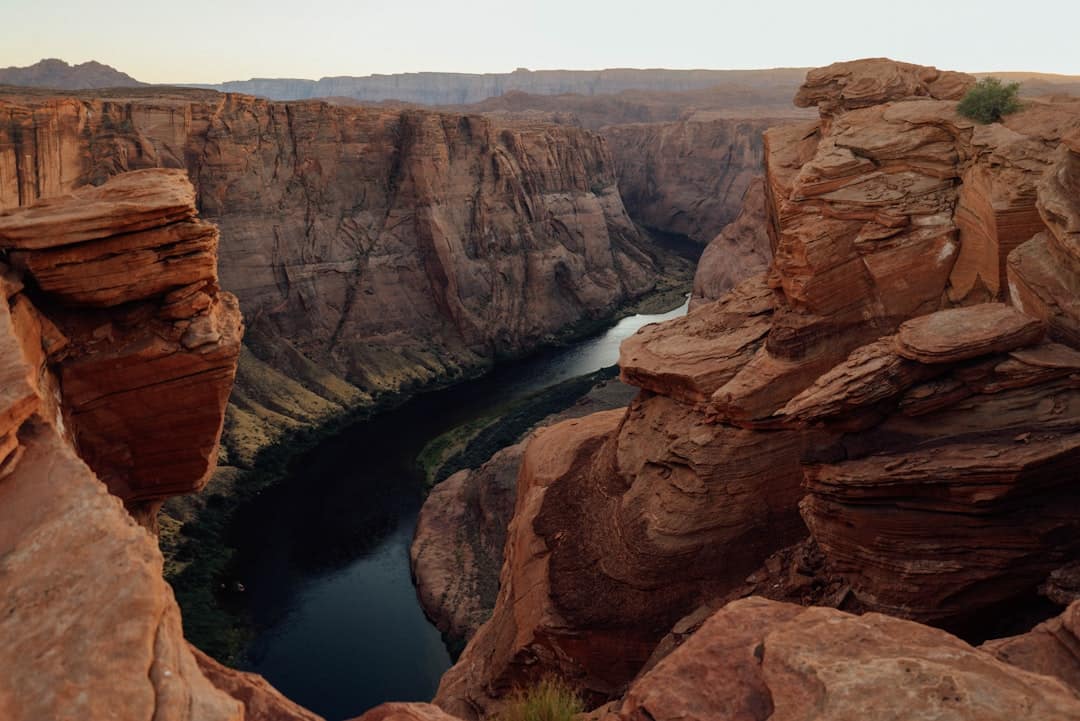
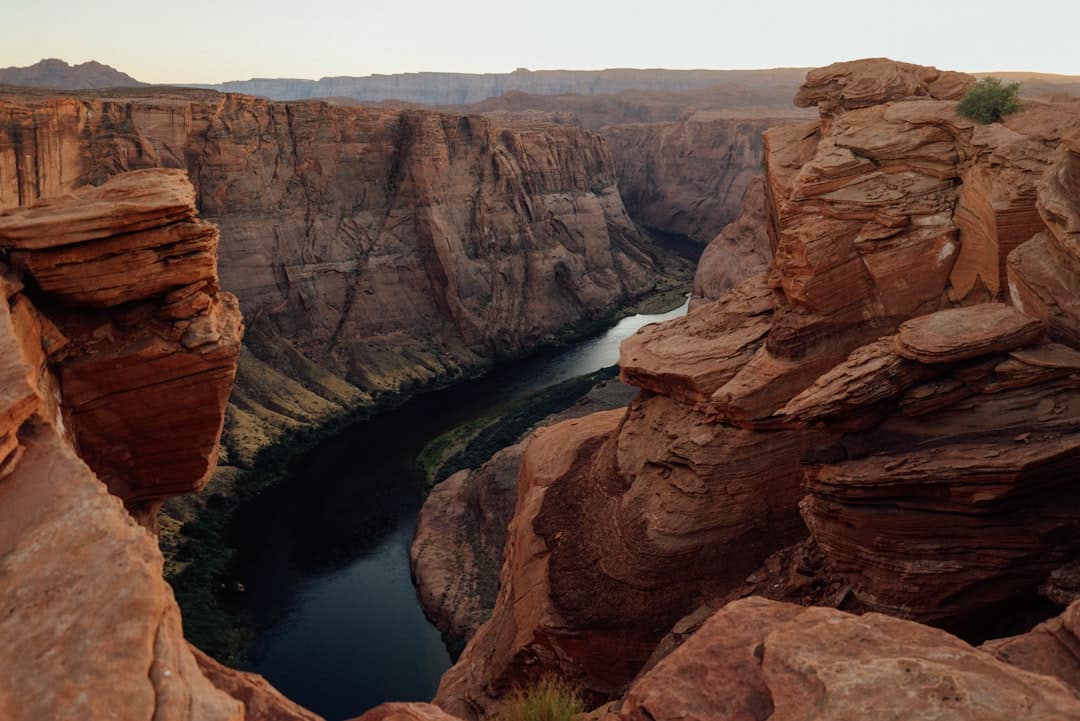
Key Takeaways
- Always check weather forecasts before entering slot canyons.
- Recognize cloud build-up signs as a critical warning.
- Know your escape routes in case of sudden rain.
- High-risk canyons include Antelope Canyon and Buckskin Gulch.
- Never enter if rain is forecasted upstream.
How to Identify Flash Flood Warning Signs
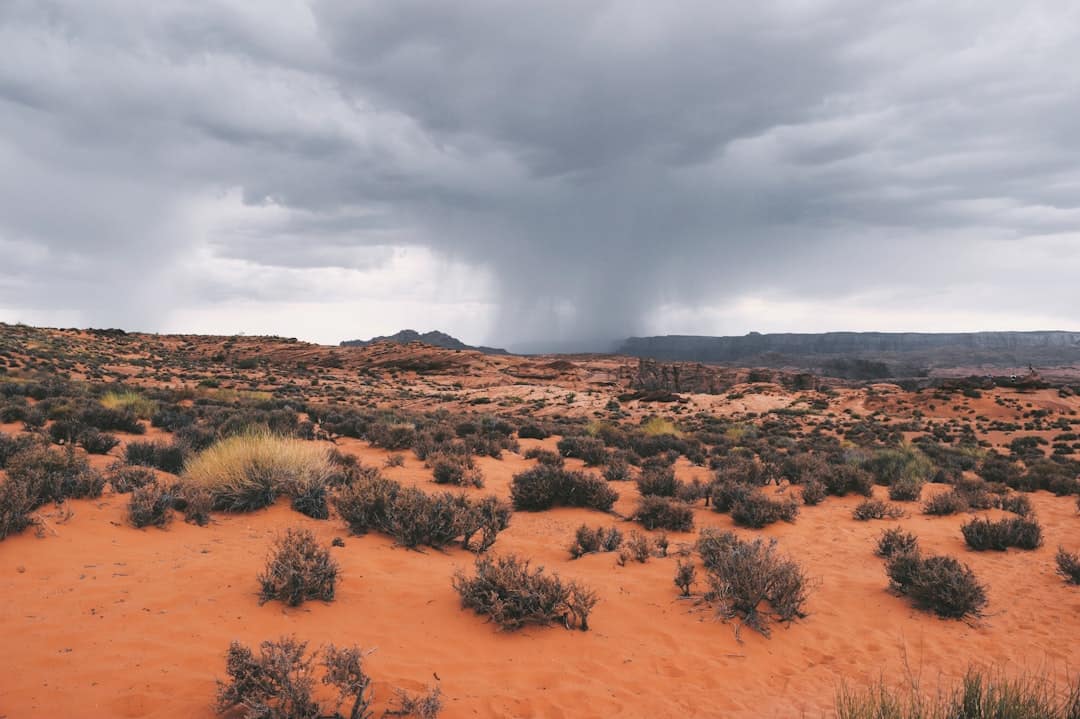
Slot canyons like Antelope and Buckskin present unique challenges during monsoon season. Flash floods can occur with little warning, transforming serene canyons into raging torrents. According to the National Weather Service, Arizona experiences a significant increase in rainfall between June and September, with monsoon storms contributing to over 80% of the annual rainfall in some regions. Certain areas in Arizona can receive an average of 2–3 inches of rain in just a few hours during peak monsoon storms. Follow these actionable steps to stay safe.
- Check Weather Reports: Before heading out, check local forecasts on websites like NWS.gov or regional weather apps. Look for any storm warnings, especially ones that indicate flash flood risks. The NWS provides alerts that can give you a heads-up about potential storms that may impact your plans. Aim to check the forecast at least 24 hours before your trip and again just before you leave.
- Observe Cloud Formation: Look for dark, low-hanging clouds, especially if they build rapidly. Cumulonimbus clouds indicate thunderstorms, which can lead to flash floods. If you notice these clouds forming, it’s a sign to reconsider your plans. Keep in mind that a typical thunderstorm can produce over 1 inch of rain in just 30 minutes, substantially increasing the risk of flooding. If you see clouds gathering and hear thunder, it is best to avoid canyons altogether.
- Know Your Canyon: Familiarize yourself with the specific canyon you’re visiting. Canyons such as Antelope and Buckskin are notorious for flash floods. For instance, Antelope Canyon can fill with water in just 5–10 minutes, creating dangerous conditions. Buckskin Gulch has recorded flash floods that have resulted in fatalities, with water levels potentially rising up to 10–15 feet in mere minutes. Understanding the characteristics of each canyon can help you gauge the risk better. Consult guidebooks or local ranger stations for specific canyon information.
- Identify Escape Routes: Map out your exit routes prior to entering. Know the fastest way out in case conditions change. For example, when exploring Buckskin Gulch, plan your exit points at known landmarks such as the junction with the Paria River, which is about 6 miles into the hike. A good rule of thumb is to always have a route that allows you to ascend to higher ground quickly. Consider using GPS apps like AllTrails to help with navigation.
- Stay Aware of Rain Upstream: If rain is forecasted upstream, do not enter the canyon. The flow of water can reach you within minutes, especially in narrow canyons. Flash floods can travel at speeds exceeding 30 mph, and the water can rise up to 10 feet in a matter of minutes. For example, rainfall in the Kaibab Plateau can lead to flash floods in the lower Paria River area, where Buckskin Gulch is located. Always check for upstream conditions.
- Monitor Water Levels: After entering, keep an eye on water levels. If you notice an increase, exit immediately. Use the US Geological Survey (USGS) websites to monitor stream gauges in real time. If you see a sudden rise of as little as 1 inch, it’s time to move. For example, a stream gauge located near the Paria River can provide vital information about water levels that may affect your route.
- Listen for Thunder: If you hear distant thunder, begin your exit. Thunder often signifies nearby storms. Remember that sounds travel differently in canyons, and a thunderstorm just a few miles away can quickly pose a risk. If you hear thunder, consider exiting the canyon immediately and heading to higher ground.
- Use Emergency Gear: Carry emergency gear, such as a whistle and a first-aid kit, to signal for help if necessary. A reliable first-aid kit could include items like Leukotape, antiseptic wipes, and a space blanket. Also, consider packing a personal locator beacon (PLB) for emergencies. Ensure your first-aid kit is tailored for outdoor use, with supplies to treat common injuries encountered while hiking.
Flash floods can be life-threatening. If you encounter sudden weather changes, prioritize safety over exploration.
When to Turn Back or Seek Help
Be prepared to turn back if:
- Clouds show rapid development of thunderstorms.
- You see or hear signs of approaching storms.
- Water levels start to rise significantly.
- Any weather warnings are issued by local authorities.
To gauge whether conditions are changing, consider using a simple smartphone app like Dark Sky or NOAA Weather Radar to get real-time updates on precipitation. It’s also wise to inform a friend or family member of your planned route and estimated return time, so they can alert authorities if you don’t return as scheduled. For example, if your hike is expected to take 4–5 hours, let someone know you’ll check in by a specific time.
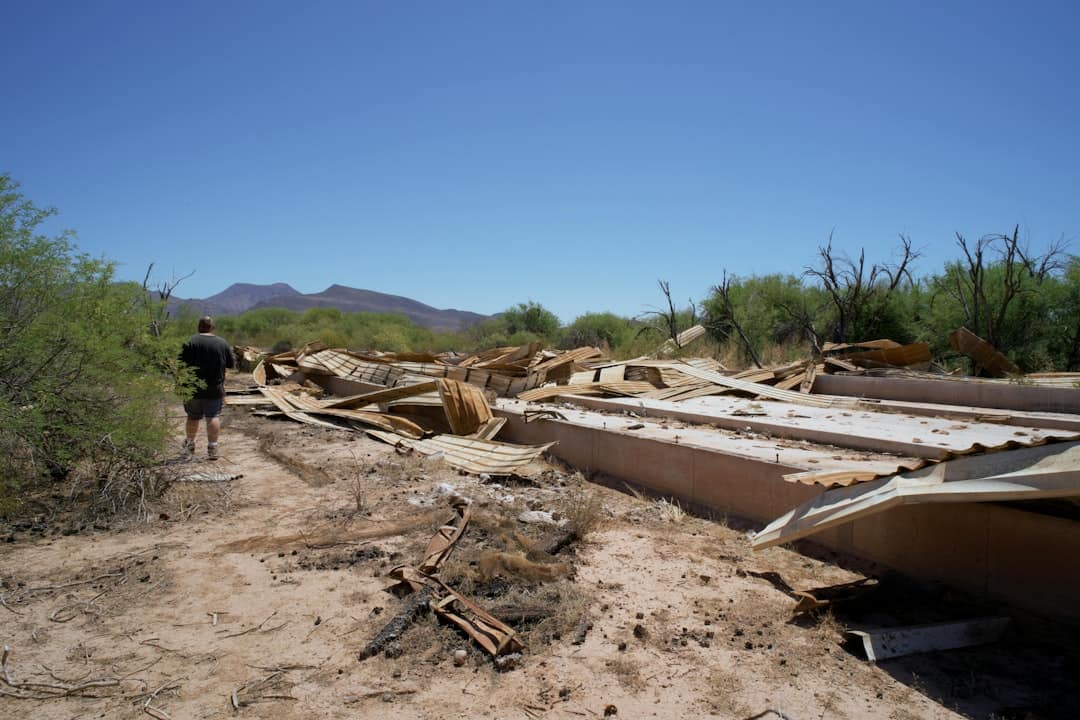
By being vigilant about these warning signs, you can enjoy the beauty of Arizona and Utah’s slot canyons while minimizing the risk of flash floods. Remember, safety should always come first. In the event of a flood, your best option is to move to higher ground and stay away from the water. Canyons have unpredictable conditions, and the landscape can change rapidly, so always be prepared to adapt your plans accordingly. In 2021, a flash flood in Antelope Canyon tragically claimed the lives of 11 tourists who ignored these warnings, underscoring the importance of following safety protocols.
Overall, thorough preparation and awareness of your environment are critical in ensuring your safety during the monsoon season. Understanding these warning signs and taking proactive steps can help prevent dangerous situations and allow you to appreciate the unique beauty of slot canyons without risking your life. Always carry a reliable map, keep your phone charged, and consider investing in a portable solar charger to ensure you stay connected in case of emergencies.
Related Guides
- Utah’s Best Camping Spots: From Arches to Angels Landing
- Chill Out: Best High Elevation Hikes to Escape the Arizona, Utah, and Colorado Heat
- Best Camping Spots in Tennessee: Nature’s Hidden Gems