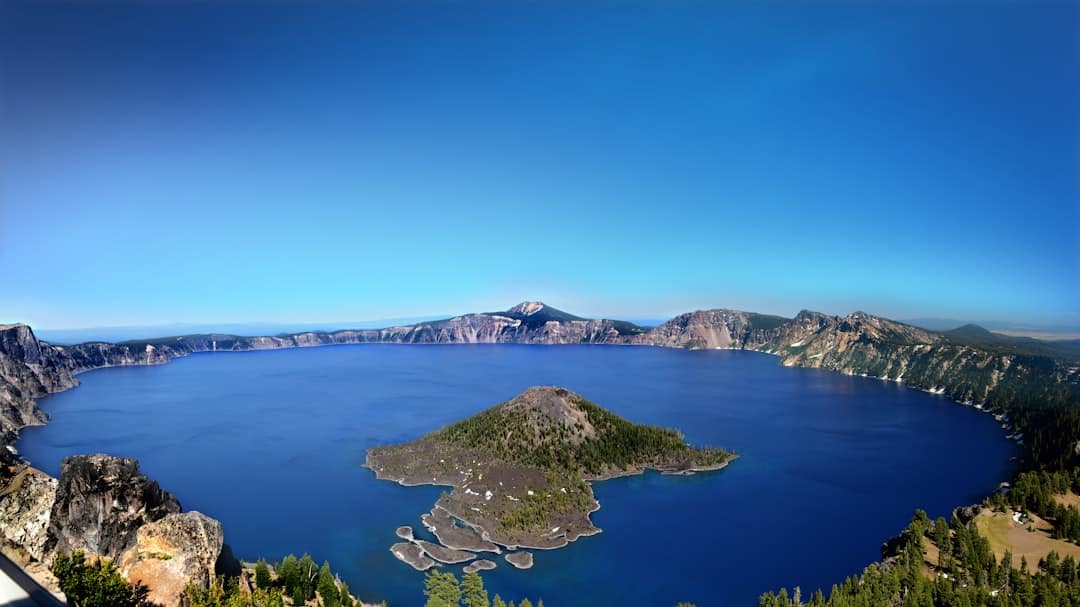
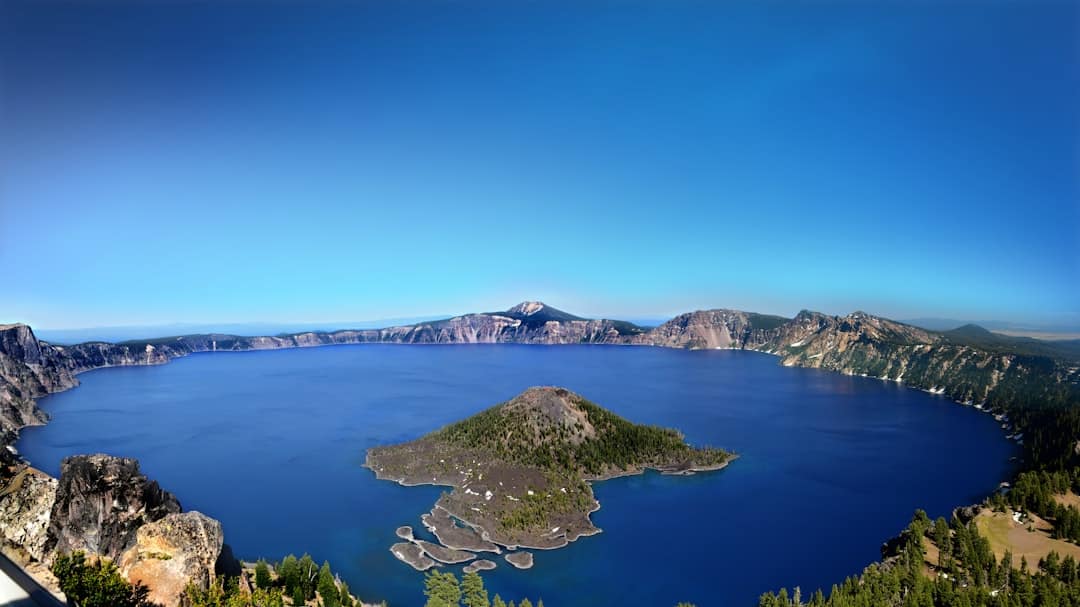
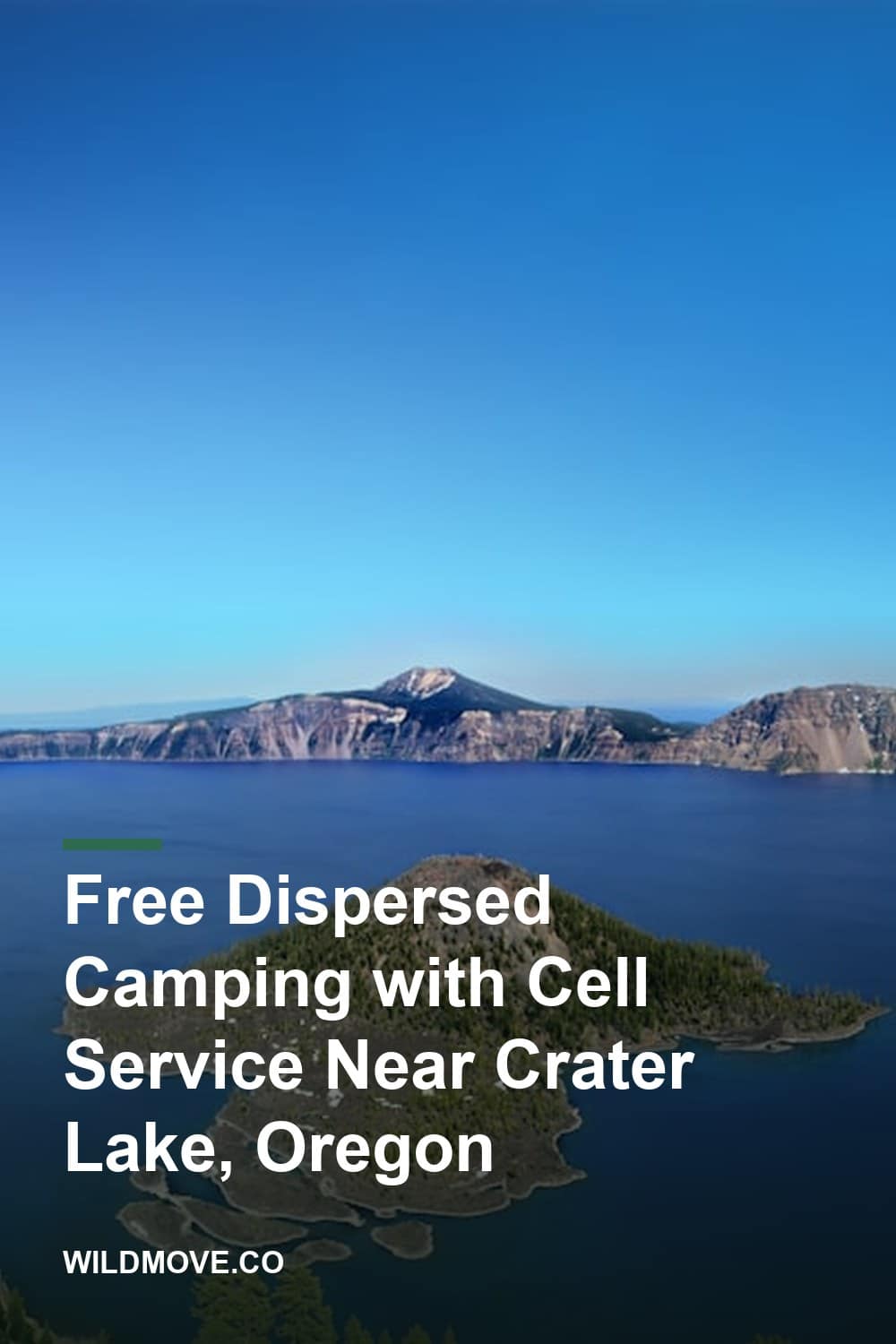
Free Dispersed Camping with Cell Service Near Crater Lake
Finding a spot to camp near Crater Lake National Park that offers both cell service and potable water can be challenging. After multiple trips in the area, I’ve identified several excellent dispersed camping options that meet these criteria. With a little planning, you can enjoy the pristine beauty of the Oregon wilderness while staying connected and hydrated.
Key Takeaways
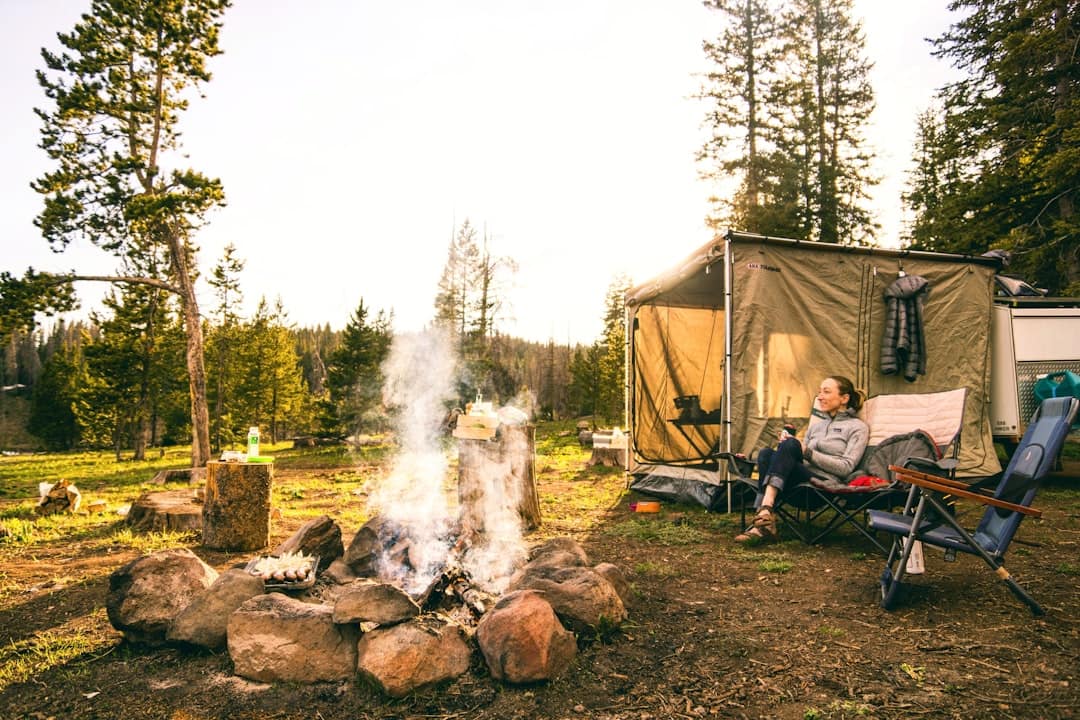
- Free dispersed camping available at USFS sites.
- Cell service varies by carrier; AT&T and Verizon have the best signal.
- Potable water sources are nearby, but check conditions before heading out.
- Maximum stay limit at many sites is typically 14 days.
- Reservations are not required for dispersed camping.
Top Dispersed Camping Sites
Below are some recommended sites for free dispersed camping around Crater Lake:
| Name | Distance from Crater Lake (mi) | Cell Service | Water Source | Max Stay | Fire Restrictions | Fee |
|---|---|---|---|---|---|---|
| Lake of the Woods | 18 | AT&T, Verizon | Potable water available | 14 days | Seasonal restrictions apply | $0 |
| Sky Lakes Wilderness Area | 12 | AT&T | Nearby lakes | 14 days | Check local rules | $0 |
| North Crater Road Dispersed Area | 8 | Verizon, T-Mobile | None | 14 days | No campfires | $0 |
1. Lake of the Woods
Located about 18 miles from the south entrance of Crater Lake National Park, this site features good cell service from both AT&T and Verizon. The Lake of the Woods Resort, just a short drive from the dispersed camping area, provides potable water, making it a convenient choice. Expect seasonal fire restrictions that typically run from mid-June to mid-September depending on weather conditions. The area is known for its fishing and boating opportunities, so bring your kayak or fishing gear if you want to enjoy the lake. The resort also offers a small store where you can purchase supplies and rent boats if needed.
2. Sky Lakes Wilderness Area
This area is roughly 12 miles from the Crater Lake entrance and offers excellent AT&T cell service. The Sky Lakes Wilderness is characterized by numerous alpine lakes and diverse ecosystems, making it ideal for hiking. Potable water is available at some nearby lakes, but you should filter or boil water before consumption, particularly during dry spells when water levels may drop. Popular trails like the Pacific Crest Trail and Sky Lakes Trail provide stunning views and varied terrain. The best times to visit are late spring to early fall, when the weather is mild and trails are accessible. Remember to check for any trail closures or conditions at the USFS or NPS websites before heading out.
3. North Crater Road Dispersed Area
Just 8 miles from Crater Lake, the North Crater Road area has solid cell coverage from Verizon and T-Mobile. This site does not have potable water, so plan accordingly by bringing enough water for drinking and cooking. No campfires are allowed due to fire hazard concerns, so be prepared to use a camp stove for cooking. The area is popular for hiking and wildlife viewing, with opportunities to see deer, elk, and various bird species. The best time to visit this area is from June to September when the weather is typically warm and dry. Be sure to explore the nearby Crater Lake Rim Trail for breathtaking views of the lake itself.
For safety, always check fire restrictions and water quality before setting up camp. It’s wise to bring your own filtration system for backcountry water sources.
Planning Your Trip
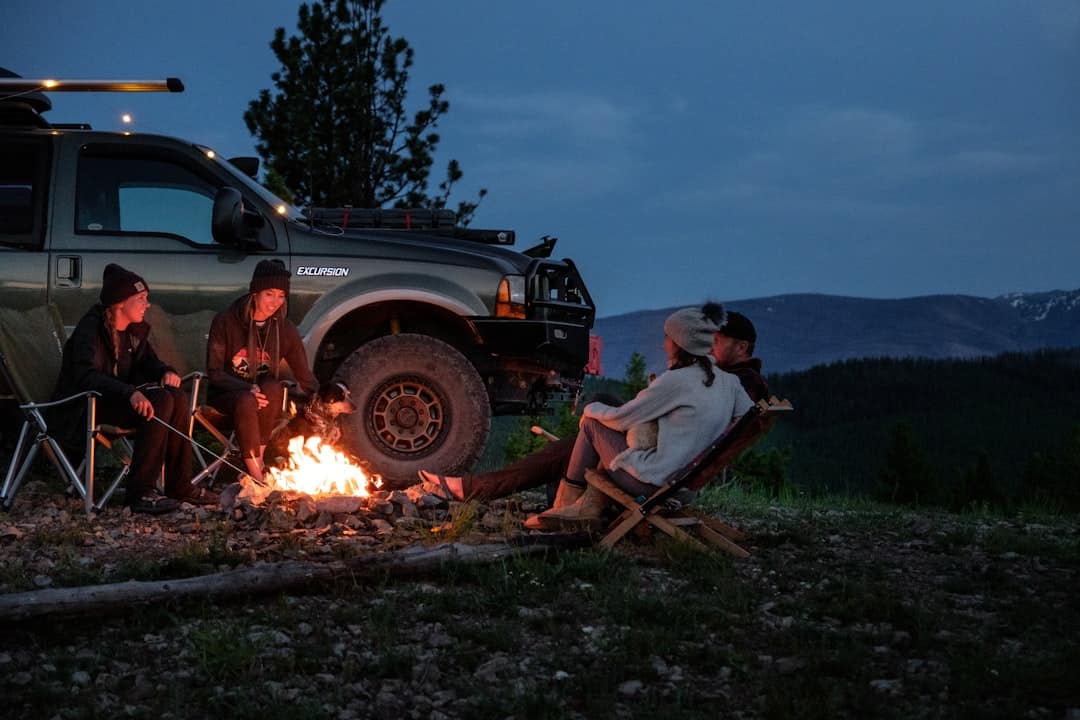
Reservations are not necessary for dispersed camping, but it’s essential to be aware of each site’s specific rules and restrictions. Check in with the USFS for the latest updates on conditions, especially regarding fire safety and water availability. The Rogue River-Siskiyou National Forest manages these sites, so their website is a valuable resource for current information. Additionally, consider downloading offline maps or using a GPS device, as some areas may have limited service.
What to Bring for Dispersed Camping
When planning your dispersed camping trip, consider packing the following essential items:
- Water Filtration System: Bring a reliable filtration system or purification tablets for water sourced from natural bodies. Options like the LifeStraw or Katadyn filters are popular and effective.
- Camping Stove: Due to fire restrictions, a camp stove is essential for cooking meals. Portable models such as the MSR PocketRocket or Jetboil are lightweight and efficient.
- First Aid Kit: Always carry a first aid kit tailored to your group’s needs. Ensure it includes items like antiseptics, bandages, and any personal medications.
- Navigation Tools: GPS, maps, and a compass can help you navigate the often rugged terrain. A smartphone app like AllTrails can be helpful but ensure to have a backup method.
- Camping Gear: Include a tent, sleeping bag, and sleeping pad suited for the season. A three-season tent will work well for most of the year, while a sleeping bag rated for 20°F is advisable for cooler nights.
- Food and Cooking Supplies: Plan meals ahead and pack accordingly to minimize waste. Opt for lightweight, non-perishable food items like dehydrated meals, nuts, and energy bars.
Safety Considerations
Dispersed camping requires awareness of your surroundings and potential hazards. Here are some safety tips:
- Wildlife: Be mindful of bears and other wildlife. Store food in bear-proof containers or hang it high in trees. The Oregon Department of Fish and Wildlife suggests using bear canisters in bear-prone areas.
- Weather: Oregon’s weather can change rapidly. Be prepared for rain, snow, or temperature drops, even in summer. A weather app can help you stay informed about current conditions.
- Fire Safety: Always adhere to fire restrictions and ensure your campfire is fully extinguished before leaving. Use a shovel or water to ensure the fire is out cold.
- Leave No Trace: Follow Leave No Trace principles to minimize your impact on the environment. This includes packing out all trash and minimizing campfire impacts.
Conclusion
Dispersed camping near Crater Lake offers a unique opportunity to experience the beauty of Oregon’s wilderness while staying connected. With the right preparation and awareness of safety protocols, you can enjoy a fulfilling camping experience. Remember to check conditions before you go and always respect the natural environment. By planning carefully and being prepared for the unique challenges of dispersed camping, you can create unforgettable memories in this stunning part of the Pacific Northwest.
Related Reading
- Avoiding Bear Canister Blunders in Yosemite: Practical Solutions
- Discover Your Non-Match Day Adventures in Philadelphia for the 2026 World Cup
- 48 Hours in Kansas City: A Fan’s Itinerary for World Cup Matches and Attractions
- MSR PocketRocket 2 vs Jetboil Flash: Boil Time and Wind Test Showdown