Key Takeaways
- Explore stunning scenery along the John Muir Trail with two essential sections.
- Permits are required; reservations should be made early due to high demand.
- Bear canisters are mandatory for food storage in these areas.
- Water sources are abundant along these trails, ideal for hydration needs.
- August and September provide the best weather conditions for hiking.
The John Muir Trail (JMT) is a must-hike for any backpacker. With its stunning vistas and diverse ecosystems, planning a trip in August or September allows for the best experience of what the trail has to offer.
1. Yosemite to Tuolumne
The Yosemite to Tuolumne section spans approximately 31 miles, taking around 3-4 days to complete. This stretch features iconic landmarks like Half Dome and Cathedral Peak, offering breathtaking views that are perfect for photography. The elevation ranges from 4,000 ft to 10,000 ft, so be prepared for some uphill trekking, particularly on the ascent to Tuolumne Meadows. Hikers should be aware that this section can be crowded, especially during early August when families and tourists flock to the park. To avoid peak traffic, consider hitting the trail in the later part of August or early September when the crowds begin to thin.
This section is not only visually stunning but also offers a variety of terrains, from granite rock faces to lush meadows. Along the trail, you’ll encounter numerous water sources, especially along the Tuolumne River, which is crucial for hydration and cooking. Keep in mind that you will need to treat any water from natural sources, so pack a reliable purification method such as a filter or purification tablets. Bear canisters are mandatory for food storage, and a wilderness permit is required for overnight stays. These permits can be reserved through the Yosemite National Park website up to six months in advance, and it’s advisable to book as early as possible due to high demand. Expect to pay a fee for the permit. This section of the trail is generally accessible from late June to early September, with the best conditions often found in late summer.
| Name | Distance | Surface | Fee | Season | Key Constraint |
|---|---|---|---|---|---|
| Yosemite to Tuolumne | 31 mi | Dirt/Gravel | check the official site for current fees | June-September | Permits Required |
2. Rae Lakes Loop
The Rae Lakes Loop is another stunning section of the JMT, covering about 41 miles and typically requiring 3-5 days for completion. This loop showcases the serene Rae Lakes and glacial landscapes, with an elevation range from 5,000 ft to 11,500 ft. The highest point, Glacier Pass, offers unparalleled views of the surrounding mountain ranges, making it a highlight of the hike. Given its popularity, especially in August, obtaining a permit in advance is crucial. You can secure your permit through the Sequoia and Kings Canyon National Parks reservation system, which opens in early March each year. The permit fee is similarly around $5 per person.
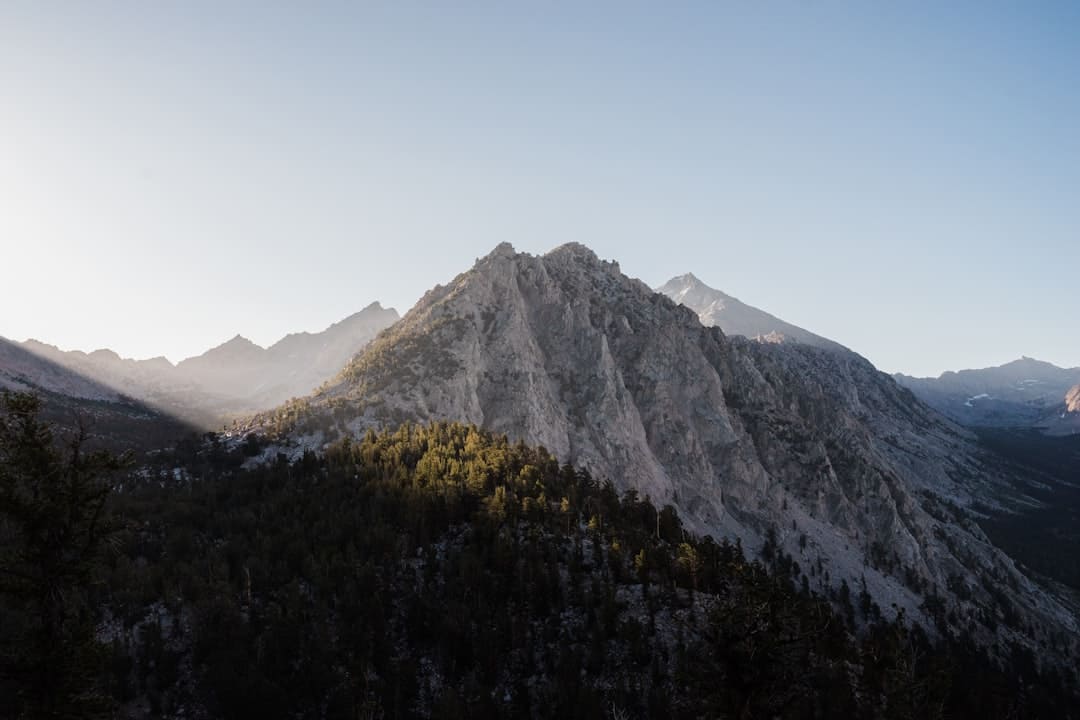
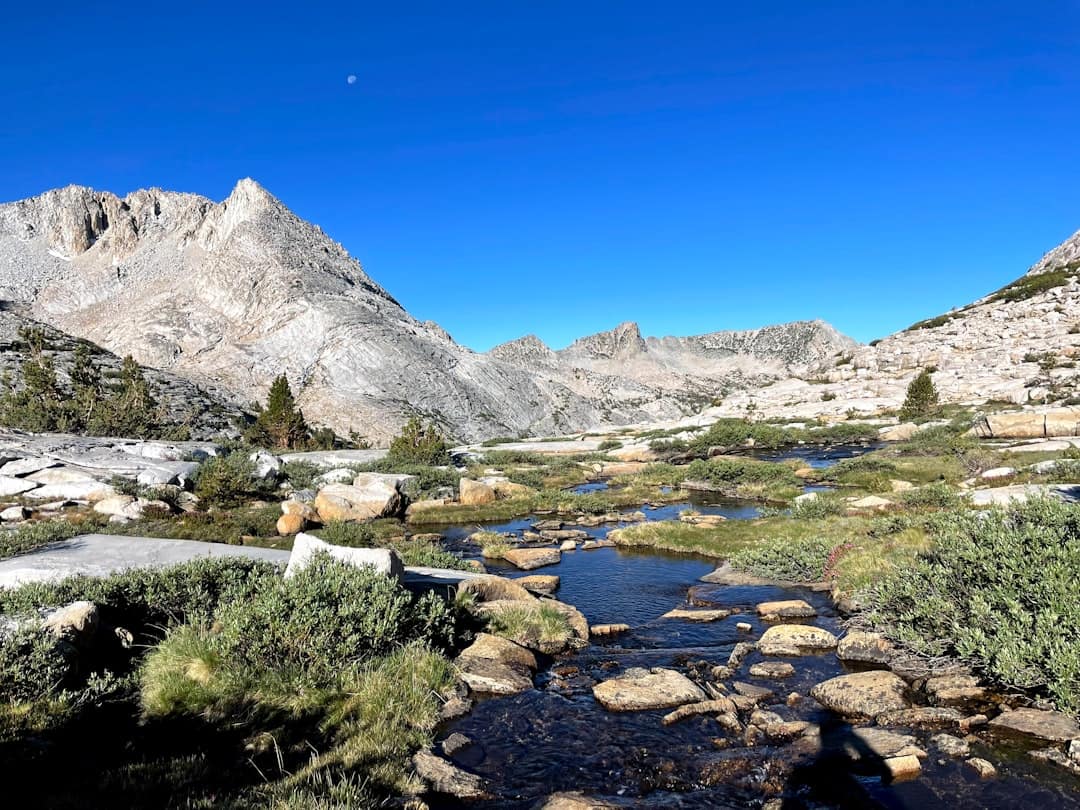
The weather can change rapidly, so pack layers and be prepared for rain or snow even in late summer. The best time to hike this section is from mid-August to early September when temperatures range from 50°F to 75°F during the day but can drop significantly at night, often reaching the low 30s°F. Water sources are plentiful along the trail, including streams and lakes, but it’s wise to carry a purification method to ensure safe drinking water. Bear canisters remain essential for food storage throughout this area, and you should also practice Leave No Trace principles to protect this pristine environment. The Rae Lakes Loop features a mix of challenging terrain, including rocky sections and steep climbs, so good footwear and physical preparation are essential.
| Name | Distance | Surface | Fee | Season | Key Constraint |
|---|---|---|---|---|---|
| Rae Lakes Loop | 41 mi | Dirt/Gravel | check the official site for current fees | June-September | Permits Required |
With its stunning vistas and diverse ecosystems, both the Yosemite to Tuolumne and Rae Lakes sections provide unique experiences. Early fall is particularly beautiful, offering cooler temperatures and fewer crowds. Additionally, wildlife sightings are common, including deer, black bears, and various bird species, making the journey even more rewarding. Those hiking the Rae Lakes Loop should also be mindful of altitude sickness; acclimatization is key, especially when reaching higher elevations.
Always check for smoke advisories during summer months as wildfires can affect air quality and trail conditions.
Best pick if… you want iconic views and enjoy cooler temperatures while avoiding peak summer crowds. Both sections offer the chance to immerse yourself in the beauty of the Sierra Nevada, but be sure to secure your permits early to guarantee your spot. Preparing adequately for altitude changes and varying weather conditions will enhance your hiking experience on these remarkable sections of the John Muir Trail. Aim to start your hikes early in the day to cover more ground and to enjoy the cooler morning temperatures, and remember to pack out what you pack in to keep these trails pristine.
Related Guides
- Top Lightweight Tents Under 3 Pounds for Backpacking in 2026
- Trail Running Shoes vs Hiking Boots for Day Hikes
- Affordable Lightweight 2-Person Backpacking Tents Under $100
- Backcountry Water Filters You Can Trust
- How to Pack Light for the Backcountry