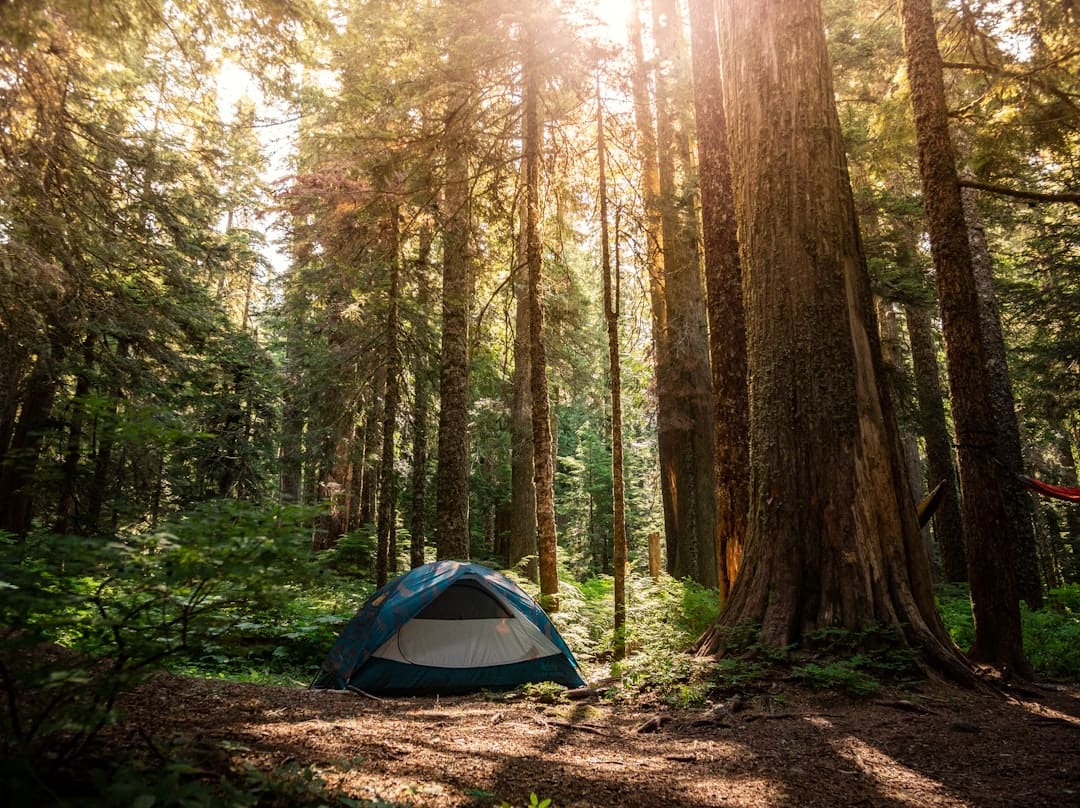
Finding a campsite for Labor Day weekend can be challenging, especially as availability dwindles. This guide outlines practical strategies to improve your chances of landing a site, focusing on cancellation patterns and effective searching techniques.
Planning more than one park this year? Our 2026 national park permit calendar lists every application window we have verified — plus the systems that were cancelled or suspended for 2026 that most guides still tell you to book.
Understanding Cancellation Policies and Timing
When considering cancellations, it’s important to understand the financial penalties involved. If a reservation is cancelled, a service fee is withheld from any refund. However, if the cancellation occurs the day before or on the day of arrival, the penalty increases significantly. Not only is the fee retained, but the first night’s fee is also forfeited. For a one-night reservation cancelled at this late stage, the entire amount paid is lost, with no additional service fee.
This policy creates a strong incentive for anyone who knows they will not be using their reservation to cancel before reaching the day-before mark. Therefore, the couple of days leading up to the arrival date is when abandoned reservations are likely to become available. Focus your searches during this period for the best chance of finding a site.

Realistic Odds Close to the Weekend
As Labor Day approaches, the likelihood of finding an open campsite diminishes. Many campers will have already secured their spots well in advance, making last-minute availability rare. However, understanding cancellation patterns can help you navigate this busy period more effectively.
Effective Search Tactics When Everything Is Full
When searching for campsites on booking platforms, it can be discouraging to see everything marked as full. Here are some practical tactics to consider:
- Refresh Frequently: Check the site regularly, especially in the days leading up to Labor Day, as cancellations may occur.
- Modify Search Parameters: Adjust your search radius or consider nearby parks that may have more availability.
- Utilize Filters: Use filters to search for specific amenities or site types that might have less demand.
Keep in mind that modification cut-off windows vary by location, typically ranging from 0 to 4 days before arrival. This means that some sites may release inventory shortly before the weekend.

First-Come, First-Served Strategy
Some campgrounds operate on a first-come, first-served basis. This strategy requires you to arrive early and be prepared to secure a spot as soon as it opens. Here’s how to make the most of this approach:
- Arrive Early: Plan to arrive at the campground well before check-in times to increase your chances of finding an open site.
- Be Flexible: Have a backup plan in case your first choice is full. Know which other campgrounds nearby operate on a first-come, first-served basis.
Exploring Dispersed Camping Options
If traditional campgrounds are full, consider dispersed camping on adjacent national forest or BLM land. This option often provides more flexibility and fewer restrictions. Here’s what to keep in mind:
- Research Regulations: Familiarize yourself with the rules and regulations for dispersed camping in the area you’re considering.
- Be Prepared: Bring all necessary supplies, as amenities may be limited or non-existent.
Knowing When to Abandon a Park
Sometimes, despite your best efforts, a park may simply be too full to accommodate you. Here are some signs that it might be time to consider alternative destinations:
- Consistent Full Status: If you’ve checked multiple times and the site remains full, it may be time to move on.
- Limited Options: If nearby campgrounds are also full, consider heading to a less popular area or a different park altogether.
Being flexible and open to new locations can lead to unexpected and enjoyable camping experiences.
Related Guides
- 2026’s Best Dark Sky Parks for Summer Stargazing Adventures
- Where to Camp in Arizona: Desert Trails to Pine Country