Understanding Fall Foliage Peak Predictions
The beauty of fall foliage draws millions outdoors each year, yet timing your visit can be tricky. Understanding peak foliage predictions can transform your experience. Various regions across the U.S. will showcase vibrant colors, each at different times. Here’s how to navigate the foliage calendar effectively.
Key Takeaways
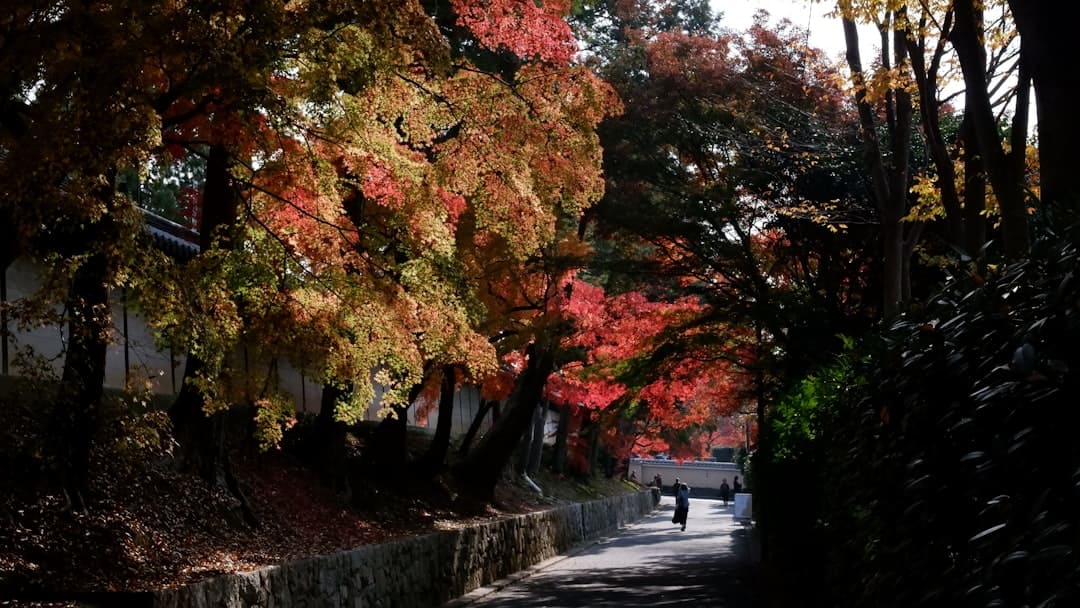
- Fall foliage peak windows vary by region, with timing influenced by weather factors.
- Prediction maps are based on historical data, current climate conditions, and seasonal trends.
- Plan your trip two weeks in advance to catch the best views and avoid crowds.
- Consider elevation changes and specific tree species for optimal viewing.
- Engage with local resources for real-time updates on foliage conditions.
How Do Prediction Maps Work?
Fall foliage prediction maps utilize algorithms that analyze past data, current weather conditions, and seasonal growth patterns. Typically, they take into account temperature fluctuations, rainfall, drought conditions, and frost occurrences that may affect leaf color development. For instance, a sudden drop in temperature in late September can enhance the vibrancy of red maples, while prolonged dry conditions may lead to early leaf drop. These factors help predict when trees will likely reach their peak color, often visualized in color-coded maps that indicate expected peak times. The National Oceanic and Atmospheric Administration (NOAA) and local universities frequently collaborate to produce these maps, providing insights for each state.
Typical Peak Windows by Region
| Region | Typical Peak Period | Key Constraints |
|---|---|---|
| Northeast | Late September – Mid October | Heavy rainfall can accelerate leaf drop. |
| Midwest | Mid October | Drought stress may alter timing and vibrancy. |
| Great Smoky Mountains | Early October – Early November | Elevation significantly impacts color timing. |
| Pacific Northwest | Late October | Rainy conditions can diminish leaf color. |
Northeast
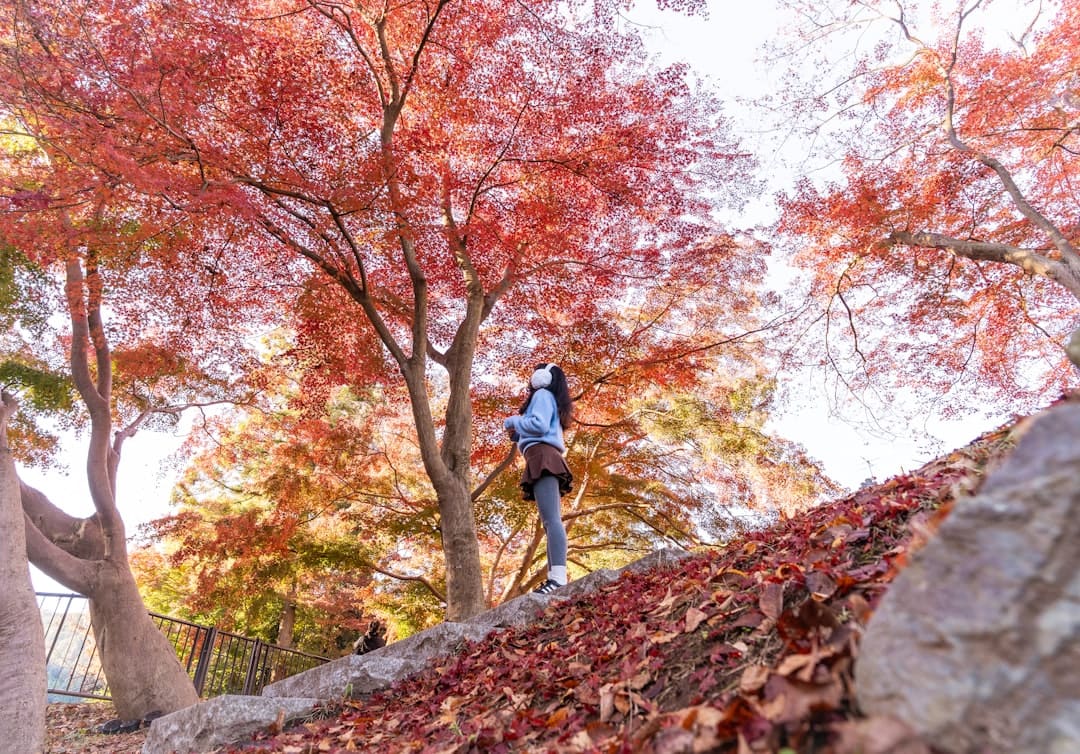
This region, known for its stunning fall colors, typically sees peak foliage from late September to mid-October. States like Vermont and New Hampshire are famous for their vibrant displays, with the Kancamagus Highway offering iconic views. Expect to find maple, oak, and birch trees showcasing brilliant reds and yellows. For instance, reports from New Hampshire’s White Mountains indicate that the sugar maples can reach peak brilliance around the first week of October. Be aware that heavy rainfall, particularly in early October, can lead to premature leaf drop, diminishing the visual spectacle. Planning a visit during the first two weekends of October may provide the most vivid colors while avoiding the heaviest crowds.
Midwest
In the Midwest, the peak foliage period runs around mid-October. Areas like Michigan and Wisconsin are known for their vibrant landscapes, with the Pictured Rocks National Lakeshore and Door County being prime spots. The Michigan Department of Natural Resources typically notes that the best viewing times in places like Hiawatha National Forest align with mid-October, where visitors can see a mix of red, yellow, and orange leaves. Drought conditions can alter the timing and vibrancy of colors, so check local weather reports and foliage updates. Planning visits to state parks like Devil’s Lake State Park, where spectacular views can be accessed with minimal hiking, is recommended. Entrance fees for state parks apply, so factor that into your budget.
Great Smoky Mountains
In the Great Smoky Mountains, peak foliage can be observed from early October to early November, depending heavily on elevation. The Cades Cove Loop Road provides excellent viewing opportunities, with colors shifting from vibrant yellows at lower elevations to deep reds and purples at higher altitudes. Expect the peak at higher elevations, such as Clingmans Dome, to occur slightly later in the month, around the last week of October. Be prepared for crowds, especially around weekends, and consider visiting on weekdays for a quieter experience. The park’s diverse range of tree species contributes to a rich palette of autumn colors, with species such as yellow poplar and red maple playing significant roles in the fall display. Note that entrance to the park is free, but parking fees may apply in specific areas during peak times.
Pacific Northwest
The Pacific Northwest sees peak foliage around late October, with areas such as Columbia River Gorge and Mount Rainier National Park being popular among leaf peepers. However, extended rainy conditions can diminish leaf color intensity. The region is characterized by a mix of maples, alders, and oaks, often resulting in a mix of yellows, oranges, and reds. For example, Mount Rainier typically sees peak colors around the last week of October, especially in areas like Paradise Valley. Check local weather forecasts as heavy rain can lead to rapid leaf drop. Access to the park is typically $30 per vehicle for a 7-day pass, so plan accordingly.
Planning Your Trip Two Weeks Out
To maximize your fall foliage experience in 2026, start planning your trip two weeks beforehand. Monitor local foliage reports and weather updates. Aim to visit popular trails or parks, such as the Fall Foliage in Colorado or the Best Fall Foliage Drives in New England, to pinpoint the best viewing spots. Research specific trails such as the Appalachian Trail in the Smokies or the North Country Trail in Michigan for immersive experiences. Always check park websites for any necessary permits or reservations. Additionally, consider booking accommodations in advance, as popular destinations can fill quickly during peak foliage times.
Using Technology for Real-Time Updates
Utilize apps like AllTrails or Leaf Peepr for real-time foliage updates. These platforms often feature user-generated content that can provide immediate insights on color changes and trail conditions. Engaging with local tourism boards on social media can also yield timely information about peak conditions and local events. Many parks now have dedicated social media accounts that post daily updates during the peak season, which can be invaluable for planning last-minute trips.
Drought and Frost Factors
Across the U.S., climatic conditions play a significant role in fall foliage. Drought conditions can stress trees, leading to early leaf drop and muted colors. Conversely, an unexpected frost can enhance color intensity by stopping chlorophyll production. For instance, a late September frost can create a more vivid display in sugar maples. Staying informed about these factors is crucial for your trip planning. Check the USDA Drought Monitor for updates on drought conditions in your desired region. Additionally, local agricultural extensions often provide information on how climate conditions are impacting foliage in specific areas, which can add another layer of insight.
Foliage and Wildlife Interactions
Be mindful of wildlife activity during fall foliage season. Areas like Yellowstone National Park experience increased animal movements as creatures prepare for winter. This can enhance your experience but also requires caution. Always maintain a safe distance from wildlife and check park regulations regarding animal interactions. For example, some parks may have restrictions during mating seasons, especially for animals like elk and deer. In Yellowstone, the fall rut for elk usually peaks in mid-September to mid-October, and observing this can be a fantastic addition to your foliage trip. However, be aware that being too close to wildlife can lead to dangerous situations, so always use binoculars or a zoom lens for wildlife photography.
Quick Reference Summary
- Use prediction maps for timing your visit.
- Plan two weeks in advance for the best experience.
- Understand how drought and frost impact foliage.
- Utilize technology for real-time updates on colors and conditions.
- Engage with local resources for the most accurate information.
Related Guides
- Fall Foliage in Colorado: Best 2026 Hikes and Scenic Drives by Elevation
- The Best Fall Foliage Drives in New England for 2026: State-by-State Guide
- Chill Out: Best High Elevation Hikes to Escape the Arizona, Utah, and Colorado Heat
- Peak Fall Foliage in the Smokies: Key Dates and Overlook Insights for 2026
- Explore Michigan’s Upper Peninsula: 2026 Fall Colors, Waterfalls, and Scenic Drives