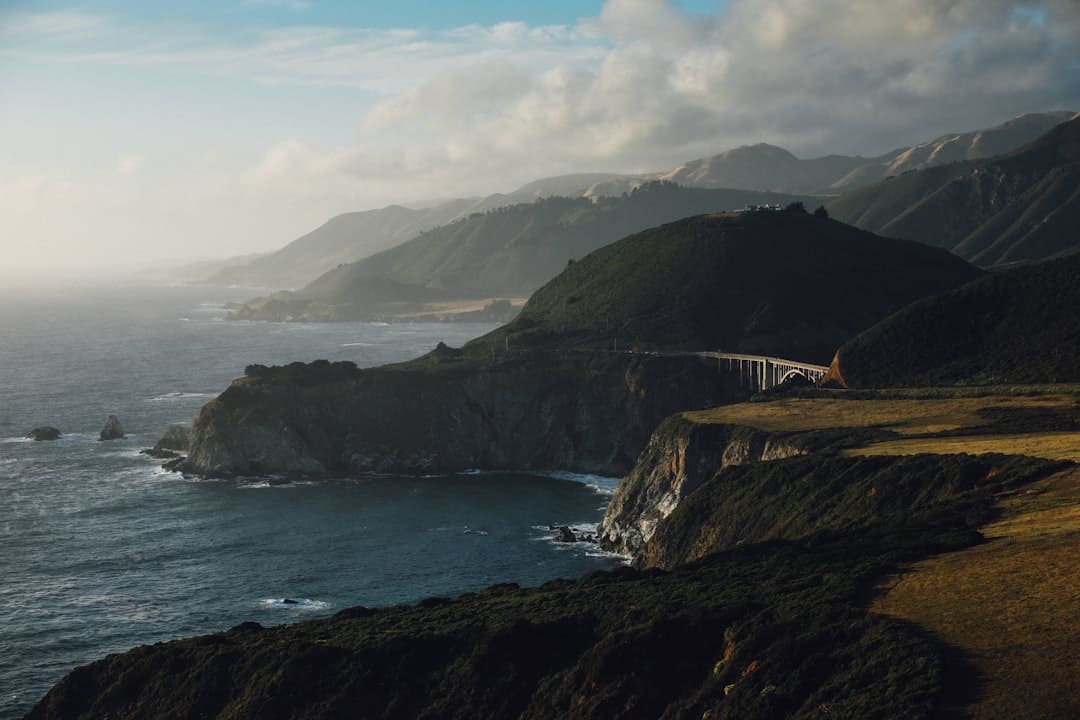
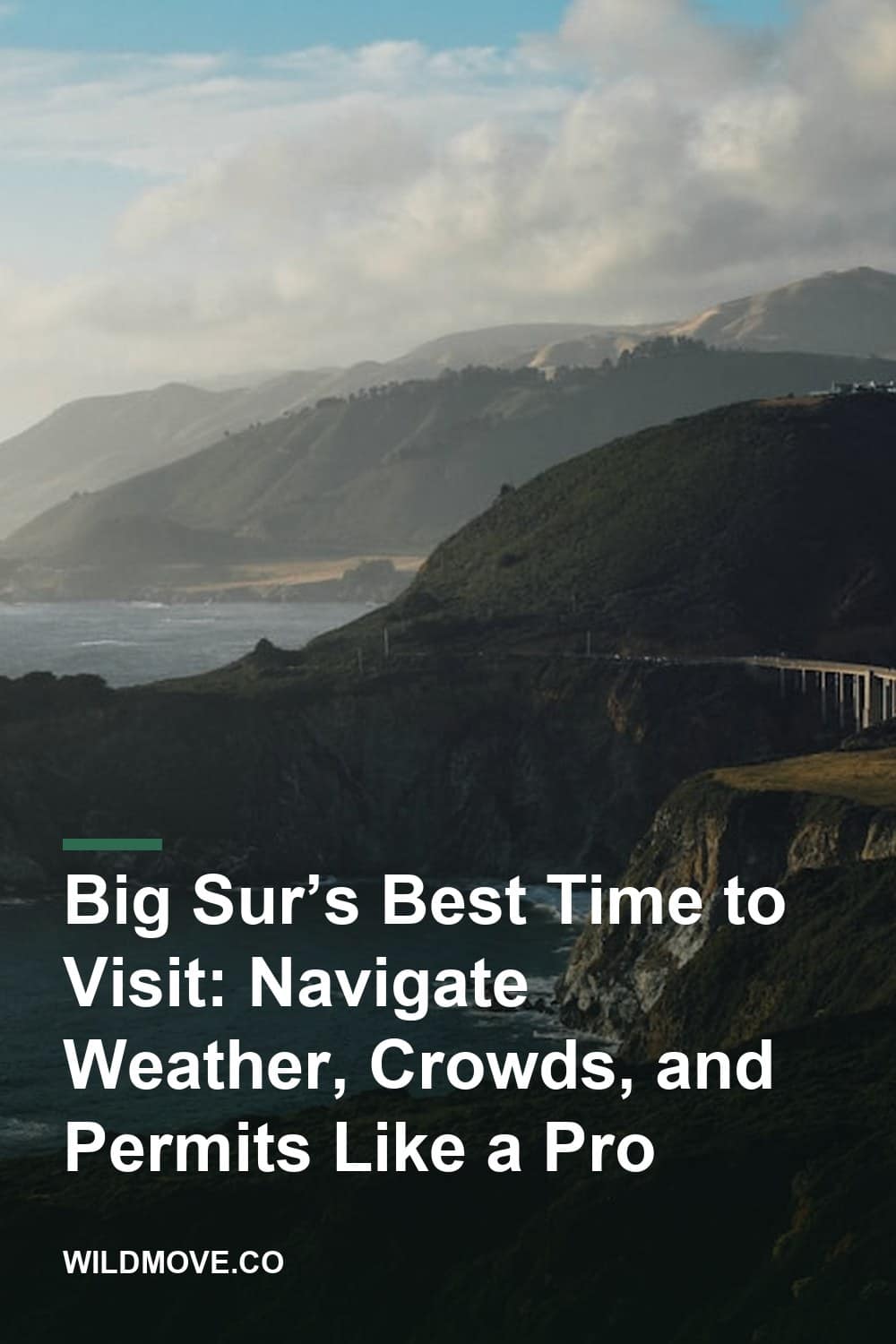
Photo by George Cox on Unsplash
A Scenic Overview of Big Sur
Timing your visit to Big Sur can make all the difference in your experience, from weather conditions to crowd levels and even the availability of parking. Mid-April often offers sunny weather and fewer crowds than in the peak summer months. Big Sur is not just a destination; it’s a journey through one of the most picturesque stretches of coastline in the United States.
Key Takeaways
- Best Time to Visit: April to October offers ideal weather and trail conditions.
- Peak Crowds: July and August see the highest number of visitors; try to avoid weekends during this time.
- Permits: Some trailhead parking requires reservations; check ahead for details.
- Lodging: Book accommodations in advance as options fill quickly.
- Safety: Be prepared for sudden weather changes and limited cell service.
When to Visit Big Sur
The weather in Big Sur is generally mild, but it varies significantly throughout the year. The best time to visit is from April to October, avoiding the heavy rains and coastal fog of winter. Here’s a month-by-month breakdown:
| Month | Crowd Level | Temperature (°F) | Road Status |
|---|---|---|---|
| January | Low | 50-60 | Possible closures due to rain |
| February | Low | 50-60 | Possible closures due to rain |
| March | Moderate | 55-65 | Roads typically clear |
| April | Moderate | 60-70 | Clear roads |
| May | Moderate | 60-75 | Clear roads |
| June | High | 65-75 | Clear roads |
| July | Very High | 70-80 | Clear roads |
| August | Very High | 70-80 | Clear roads |
| September | High | 65-75 | Clear roads |
| October | Moderate | 60-70 | Clear roads |
| November | Low | 55-65 | Possible closures |
| December | Low | 50-60 | Possible closures |
If You Only Have One Day
If your time is limited, focus on the must-see attractions. Start early to make the most of your day:
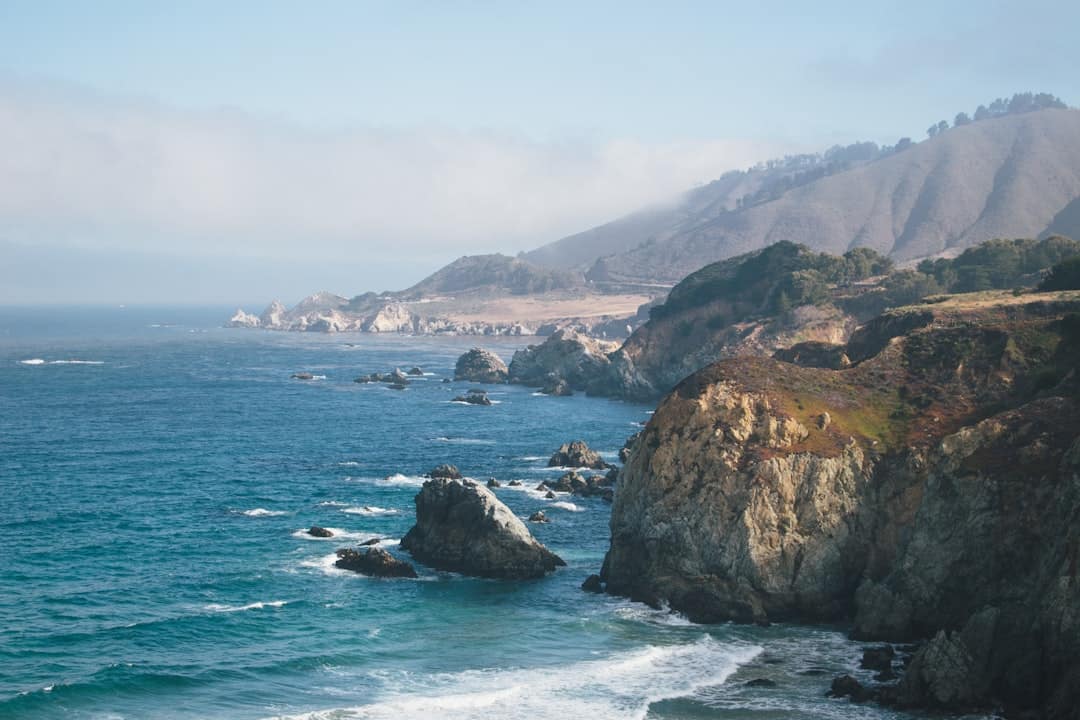
- Bixby Creek Bridge: Arrive by 8 AM for stunning morning light and fewer tourists. Spend about 30 minutes here to take photos and enjoy the views. This iconic bridge is one of the most photographed spots in California.
- McWay Falls: Drive to Julia Pfeiffer Burns State Park (30 minutes from Bixby). A quick 0.5-mile trail leads to a viewpoint. Allocate 1 hour here to stroll along the trail and capture the waterfall cascading onto the beach.
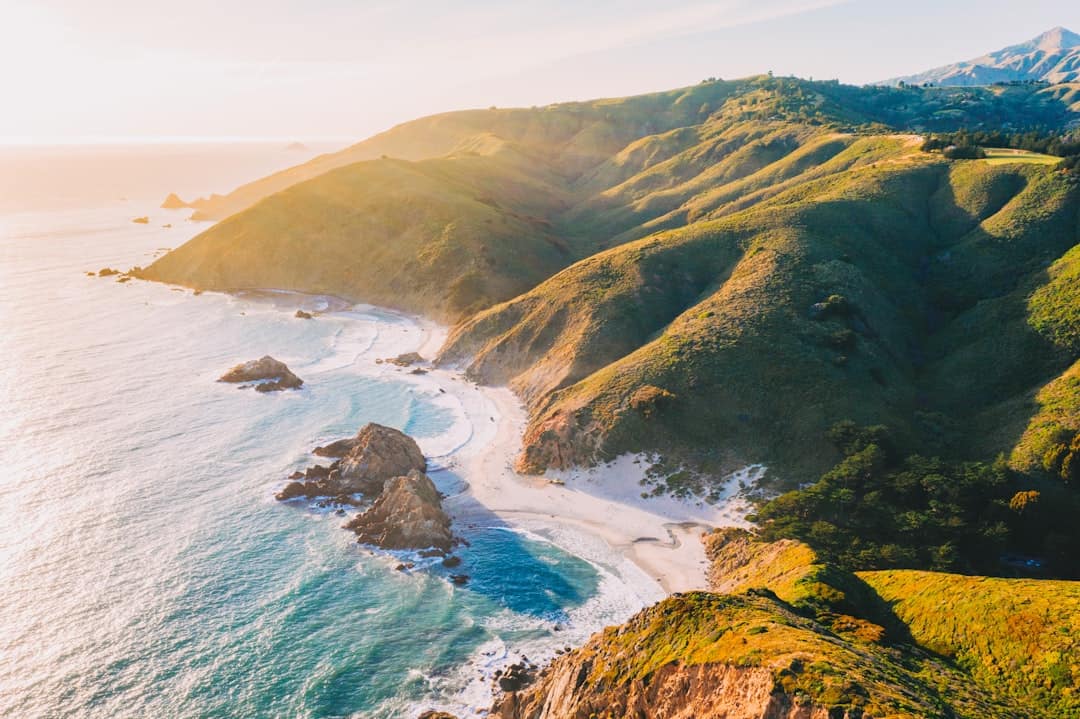
- Pfeiffer Beach: Spend the afternoon at this iconic beach, known for its unique rock formations. Plan for 1-2 hours here to relax on the sand, explore the tide pools, and photograph the famous purple sand, which is created from manganese garnet.
- Point Lobos: End your day at Point Lobos State Natural Reserve. Arrive by 4 PM to capture the sunset. You’ll need at least 2 hours to explore, where you can hike the trails, spot sea lions, and enjoy sweeping ocean views.
Mistakes First-Timers Make
First-time visitors can easily overlook important details that can affect their experience:
- Parking: Many trailheads have limited parking. Arrive early or consider using the shuttle service during peak months. For instance, the McWay Falls parking lot can fill by 10 AM on busy days.
- Weather Variability: Big Sur’s weather can change rapidly. Layer your clothing and bring a waterproof jacket, even in summer. Be prepared for wind as well; gusts can exceed 20 mph along the coast.
- Cell Service: Expect significant dead zones. Download maps ahead of time and inform someone of your plans. Many areas along Highway 1 have little to no cell reception.
- Underestimating Time: Popular spots can take longer to explore than anticipated. Ensure you allocate sufficient time for each site. For example, you might think a 0.5-mile hike will take 15 minutes, but with photo stops and enjoying the view, it can easily take 30 minutes or more.
When I’d Skip the Crowds
If you want to avoid the crowds, plan your visit during the shoulder seasons of late April to early June and September to mid-October. The weather is still pleasant, but the crowds are thinner. Additionally, weekdays are significantly less crowded than weekends, so if possible, aim for a Tuesday or Wednesday visit. Consider arriving right at sunrise for the best experience without the throngs of tourists.
Before You Go: What Catches People Off Guard
Before heading to Big Sur, here are essential tips to help avoid frustration:
- Reservations: Some parking areas and campsites require reservations, often filling months in advance. Check California State Parks for details on popular spots like McWay Falls.
- Road Conditions: Seasonal road closures can affect access to attractions. Check NPS.gov for the latest updates. Be prepared for potential detours, especially during winter months when landslides can occur.
- Wildlife Safety: Keep your distance from wildlife. Use bear canisters for food storage if camping, as bears are known to forage in the area. Familiarize yourself with proper food storage techniques to avoid unwanted encounters.
Accommodations and Lodging
Options for lodging near Big Sur range from campgrounds to luxury hotels. Booking well in advance, particularly for summer weekends, is crucial. Here are a few suggestions:
| Stop/Viewpoint | Time Needed | Difficulty | Best Time of Day | Reservation Required |
|---|---|---|---|---|
| Bixby Creek Bridge | 30 min | Easy | Morning | No |
| McWay Falls | 1 hour | Easy | Midday | Yes |
| Pfeiffer Beach | 1-2 hours | Easy | Afternoon | No |
| Point Lobos | 2 hours | Easy to Moderate | Evening | Yes |
For camping, consider Julia Pfeiffer Burns State Park for its beautiful scenery and access to hiking trails, but be aware that sites can fill up months in advance. If you prefer a hotel, the Post Ranch Inn offers luxury accommodations with stunning views. More budget-friendly options include Big Sur River Inn, which has camping cabins available.
Conclusion
Planning a trip to Big Sur requires careful consideration of timing, crowd levels, and permit requirements. By choosing the right season, preparing for the unexpected, and knowing what to prioritize, you can ensure a memorable and stress-free visit to one of California’s most stunning coastal destinations. Whether you’re hiking the rugged trails, enjoying the scenic vistas, or simply soaking in the serenity, Big Sur promises an unforgettable experience.
Related Reading
- Step-by-Step Guide to Pitching a Tarp Shelter in Heavy Rain and Wind
- Affordable Lightweight 2-Person Backpacking Tents Under $100
- Two Days in Arches: Essential Hikes and Scenic Stops
- 48 Hours in Antelope Canyon: Must-See Spots and Hidden Gems