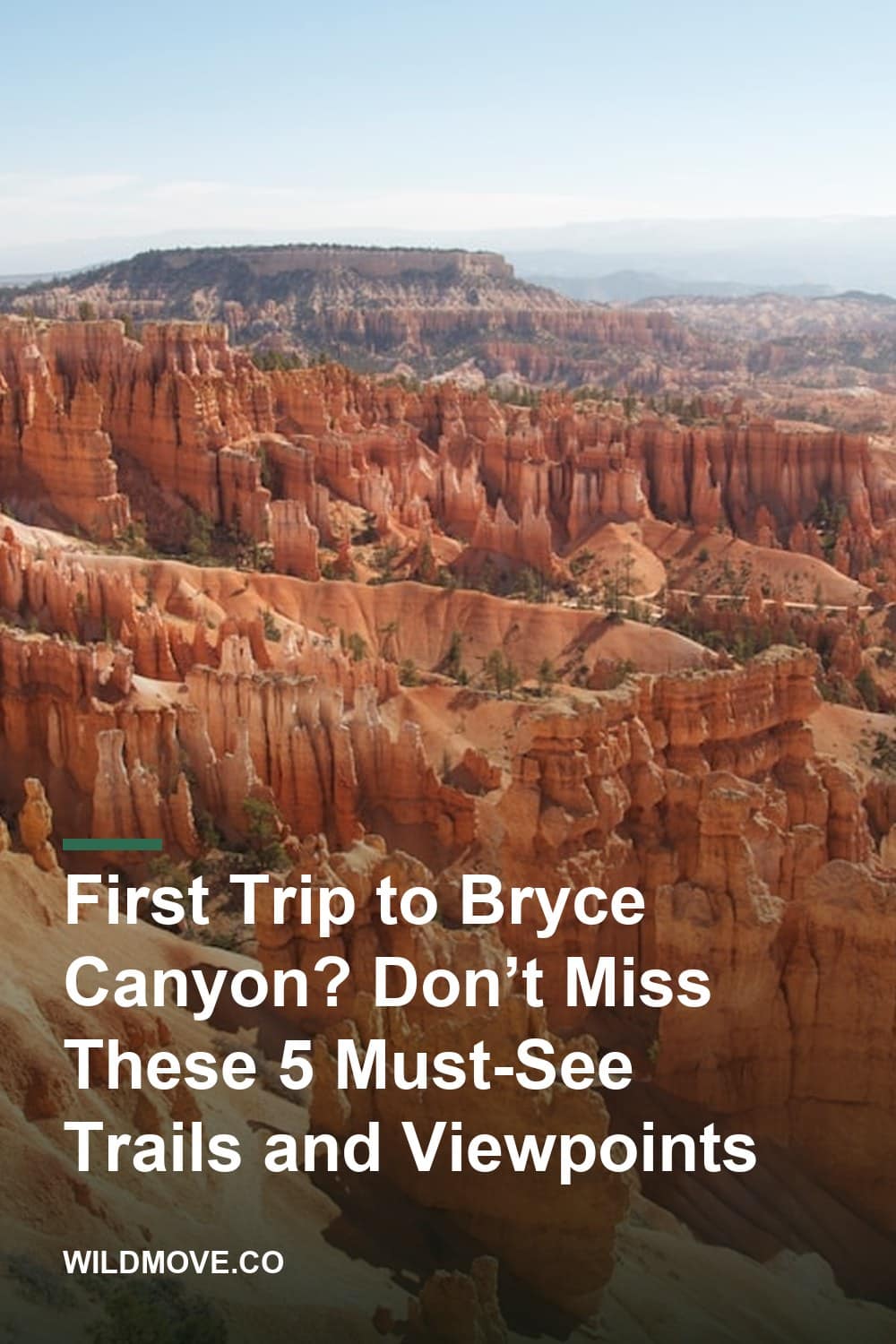
Photo by Ellis Dieperink on Unsplash
Welcome to Bryce Canyon National Park
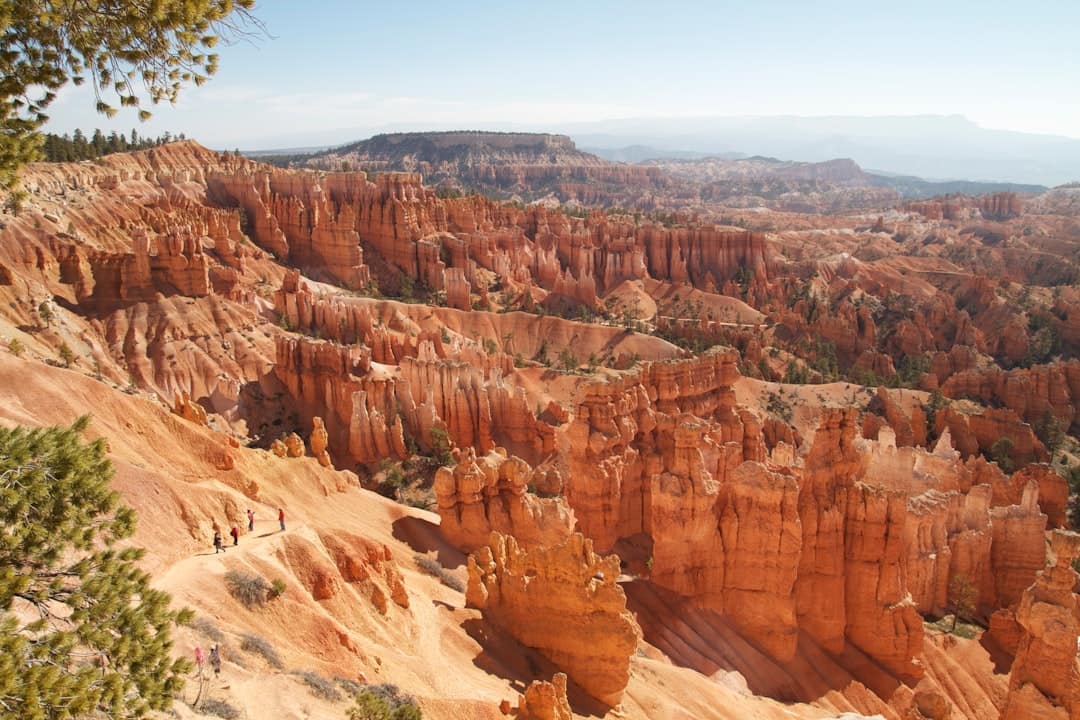
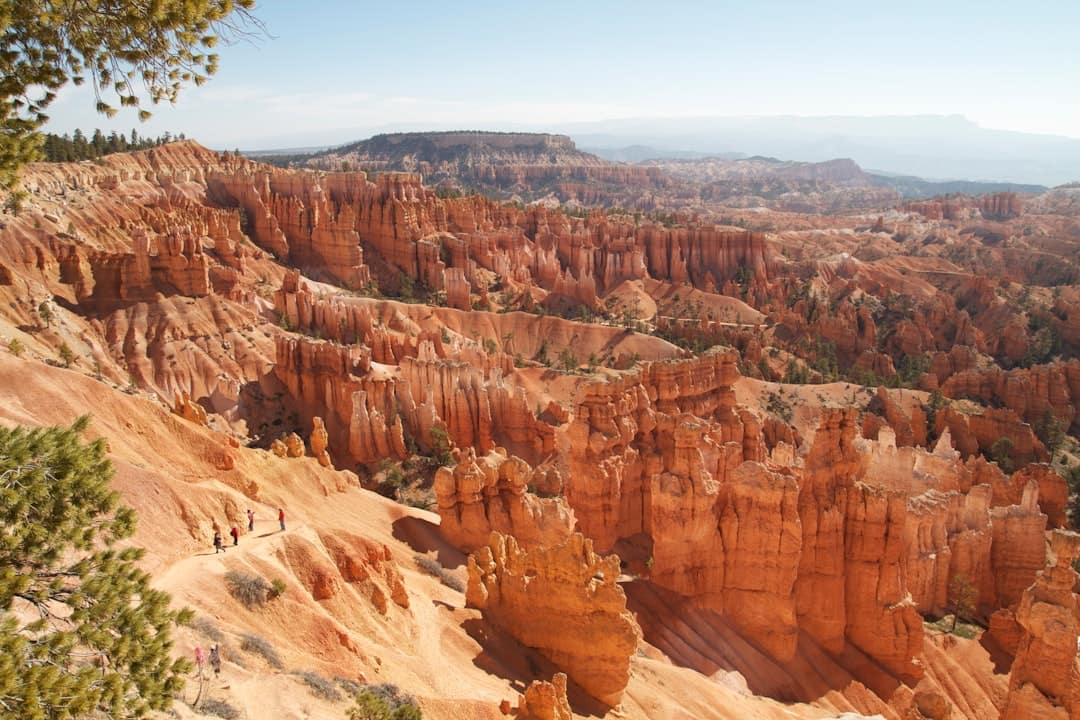
At Bryce Canyon National Park, the surreal landscape of hoodoos, spires, and natural amphitheaters captivates visitors. The vibrant colors of the rock formations against the clear blue sky create a photographer’s paradise. However, stunning views attract crowds, especially during peak season from May to September. Knowing where to go and what to prioritize can enhance the experience. The park sees over 2 million visitors each year, making strategic planning essential. With an elevation ranging from 6,620 feet at the park entrance to 9,115 feet at the highest point, weather can change quickly, so be prepared for anything from warm sunshine to sudden rain showers.
Key Takeaways
- Best Time to Visit: May to September for optimal weather and accessibility, with average daytime highs between 70°F and 80°F and lows at night between 40°F and 50°F.
- Must-See Points: Sunrise Point, Navajo Loop, Queen’s Garden Trail, Bryce Amphitheater — don’t miss the stunning views at sunset, especially at Sunset Point where the colors are most vibrant.
- Parking Tips: Arrive early to secure parking, especially on weekends; lots often fill by 7 AM, particularly at popular trailheads like Navajo Loop.
- Permits: No permits required for day hikes; backcountry permits needed for overnight trips, which can be obtained at the visitor center during normal operating hours.
- Common Mistakes: Underestimating trail durations and overlooking weather shifts, especially sudden temperature drops in the evenings. Be aware that a short hike can still take several hours due to elevation gain and trail conditions.
If You Only Have One Day
If you’re short on time, focus on the Bryce Amphitheater. Start your day at Sunrise Point (mile marker 1.5 on the park road) for breathtaking views of the hoodoos as the sun rises. This viewpoint is easily accessible and offers one of the best panoramas in the park. From there, tackle the Navajo Loop (1.3 miles round-trip, 550 ft elevation gain), featuring steep switchbacks and stunning views of Thor’s Hammer. After completing the Navajo Loop, continue on the Queen’s Garden Trail (1.8 miles round-trip) which takes you down into the canyon for more intimate views of the formations. Allocate about 3-4 hours for this loop. If you start at 7 AM, you can enjoy the cooler temperatures and fewer crowds, and still have time to visit Sunset Point later for the evening views.
Mistakes First-Timers Make
Many newcomers to Bryce Canyon underestimate the park’s size and the time required to explore its highlights. Here are common pitfalls:
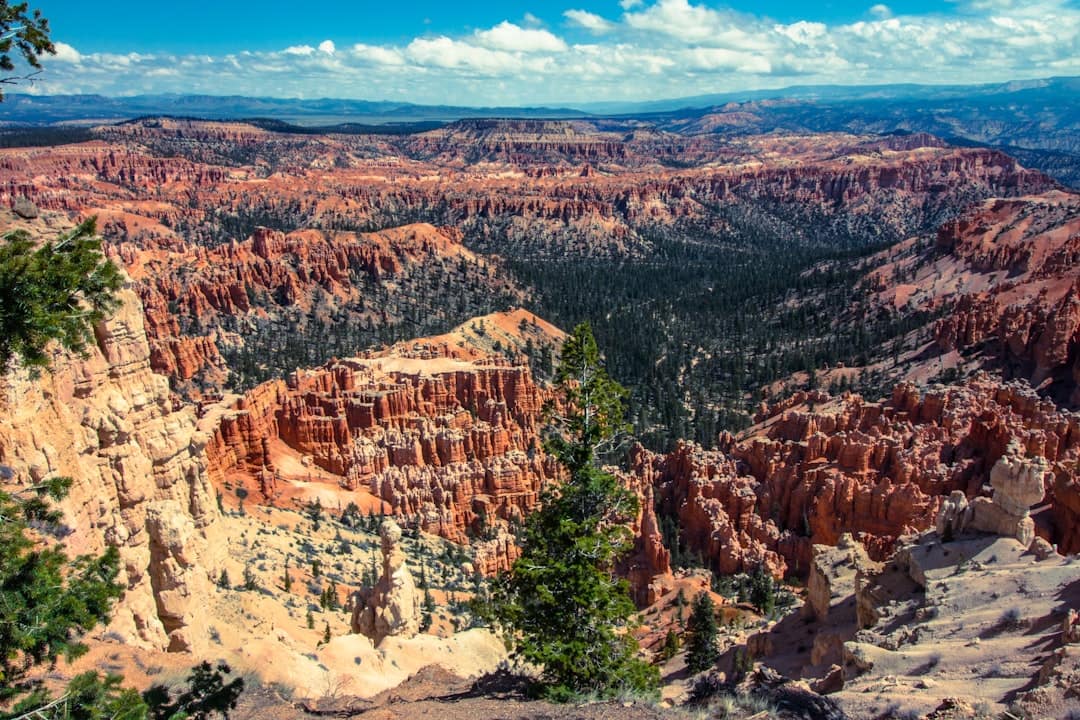
- Ignoring Trail Difficulty: Some trails, like the Navajo Loop, may appear short but include steep sections, switchbacks, and rocky paths that demand physical readiness. Always check trail conditions at the visitor center as they may vary.
- Not Planning for Weather: Temperatures can fluctuate dramatically; in summer, it can be warm during the day (80°F) but drop to the 40s at night. Layers are essential to accommodate these changes. Bring a light jacket or sweater for cooler evenings.
- Overlooking Shuttle Schedules: During peak season, shuttles can fill up quickly. Check the NPS website for current schedules; the shuttle operates from 8 AM to 8 PM from mid-April to late October. Shuttles run at approximately 30-minute intervals.
When I’d Skip the Crowds
If possible, visit on weekdays or during early mornings or late afternoons. The Bryce Canyon Shuttle runs from mid-April to late October and can help reduce the hassle of parking. However, plan your shuttle rides around the most popular viewpoints, as these can become congested. For the best light and fewer people, aim for sunrise or sunset at viewpoints like Sunset Point and Inspiration Point. The Inspiration Point hike is about 0.5 miles one-way, making it a quick jaunt for sunset views.
Must-See Trails and Viewpoints
| Stop/Viewpoint | Time Needed | Difficulty | Best Time of Day | Reservation Required |
|---|---|---|---|---|
| Sunrise Point | 1 hour | Easy | Early morning | No |
| Navajo Loop Trail | 1.5-2 hours | Moderate | Morning | No |
| Queen’s Garden Trail | 2-3 hours | Moderate | Late morning | No |
| Bryce Amphitheater | 1-2 hours | Easy | Sunset | No |
Before You Go: What Catches People Off Guard
Planning a trip to Bryce Canyon requires some forethought. Here’s what you should keep in mind:
- Parking Reality: Parking lots fill quickly, especially on weekends. Arriving by 7 AM is advisable to secure a spot close to the trailhead. The visitor center parking lot is a good place to start.
- Cell Signal Dead Zones: Expect limited cell service in the park; download maps and information ahead of time. Consider bringing a physical map as a backup; the Bryce Canyon Visitor Center provides complimentary maps.
- Seasonal Road Closures: Certain areas may close due to snow or maintenance; check NPS.gov for updates on road conditions and accessibility. The Scenic Drive may also have partial closures depending on weather.
- Wildlife Safety: Always keep a safe distance from wildlife. Encounters with deer and other animals are common but can be dangerous. Never feed wildlife, as it can harm both the animals and visitors. Respect the park’s guidelines on wildlife interactions.
Nearest Base Towns
The closest major town is Bryce Canyon City, located just outside the park entrance, with a drive time of about 15 minutes. This small community offers basic amenities, including fuel and food options. Check out the Bryce Canyon Pines Restaurant for hearty meals and homemade pies. If Bryce Canyon City is full, consider Panguitch, approximately 30 minutes away, which has more lodging options and restaurants, including local diners and motels. Panguitch is a charming town with a rich history and offers unique shops and local art.
Backup Plans
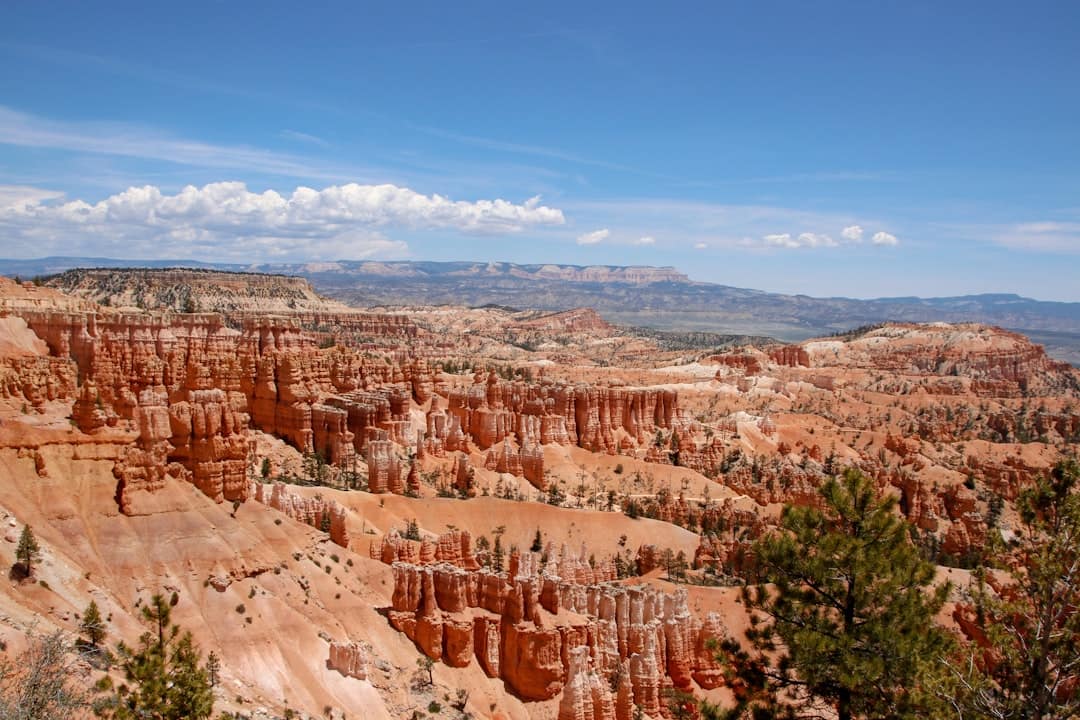
If your desired trails are too crowded or closed, consider heading to Fairyland Point (8 miles from the park entrance), which offers stunning views and fewer visitors, making it a peaceful alternative. The Fairyland Loop Trail (8 miles round-trip) showcases unique rock formations and panoramic views that rival those from the more popular trails. Another option is to explore Red Canyon, located just outside the park (12 miles away), which has several hiking trails and scenic drives. The Red Canyon Bike Trail is particularly popular for its stunning red rock scenery and is suitable for all skill levels.
Conclusion
With its otherworldly landscape and vibrant colors, Bryce Canyon National Park is a must-see for any outdoor lover. By planning ahead and knowing what to prioritize, you can make the most of your visit and avoid the common pitfalls. Remember to check the weather forecast, pack plenty of water (at least 2 liters per person), and leave no trace to help preserve this incredible natural wonder for future generations. Always check for the latest conditions and guidelines on the NPS website before your trip to ensure a safe and enjoyable experience.
Related Reading
- Big Sur’s Best Time to Visit: Navigate Weather, Crowds, and Permits Like a Pro
- Step-by-Step Guide to Pitching a Tarp Shelter in Heavy Rain and Wind
- Affordable Lightweight 2-Person Backpacking Tents Under $100
- Two Days in Arches: Essential Hikes and Scenic Stops