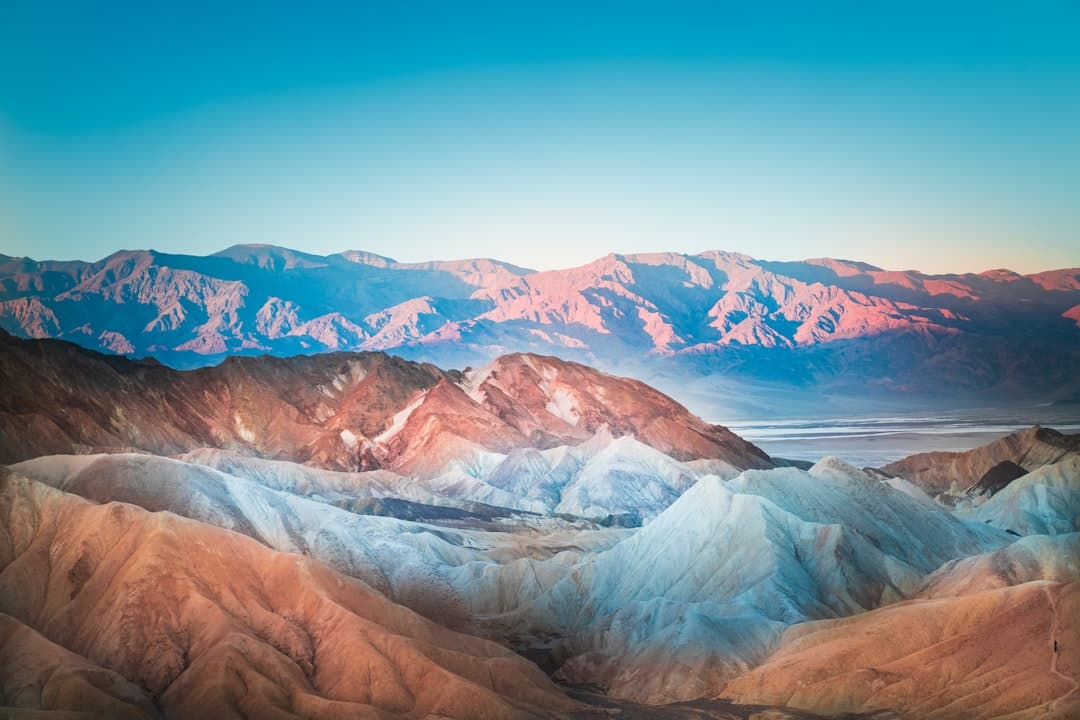
Photo by Grégoire Thibaud on Unsplash
Key Takeaways
- Best Time: November to March for mild weather, with daytime highs averaging in the 60s°F to 70s°F.
- Must-See: Zabriskie Point at sunrise for breathtaking colors and unique geological formations.
- Skip If Crowded: Mesquite Flat Dunes during peak hours; early mornings or late afternoons are best.
- Parking: Arrive early at popular spots; parking lots fill quickly, especially on weekends.
- Permits: No reservations needed for day use, but expect extreme summer heat; check for road closures before visiting.
If You Only Have One Day
With just one day to explore Death Valley National Park, I recommend a well-planned itinerary that allows for both iconic views and unique photography opportunities. Start at Zabriskie Point before sunrise, ideally arriving by 5:30 AM during the winter months or 5:00 AM in the summer to catch the soft morning light as it washes over the badlands. The vibrant hues of red, orange, and yellow emerge, creating a breathtaking display that photographers dream of. After the golden hour, head to Badwater Basin, which is about a 30-minute drive away. This is the lowest point in North America at 282 feet below sea level, where you can walk out onto the salt flats and capture the stark contrast between the white salt crust and the surrounding rugged mountains. The best time to visit is around 10 AM, as the sun casts dramatic shadows across the landscape, revealing intricate textures in the salt formations.
Next, make your way to Artist’s Palette, located on the scenic drive known as Artists Drive. This drive is 9 miles long and features a one-way loop, so plan for about 1-2 hours to take in the views and stop for photos. This area is best visited in the early afternoon when the sun illuminates the colorful hills, creating a vivid palette of pinks, greens, and purples. Don’t miss the 15-minute short hike at Artist’s Palette itself, where you can get up close to the uniquely colored rocks.
Finally, wrap up your day at Mesquite Flat Dunes for sunset. Aim to arrive at least an hour before sunset, as the dunes can become crowded quickly. The rippling patterns of the sand are best captured as the sun dips below the horizon, painting the sky in deep oranges and purples. The dunes are accessible via the parking area just off Highway 190, and a quick 5-minute walk will take you to the best spots for photography. Plan to stay for at least 30 minutes after sunset to catch the twilight colors that can create stunning contrasts against the sand.
Mistakes First-Timers Make
First-timers often underestimate the vastness of Death Valley and the distances between points of interest. For example, driving from Zabriskie Point to Badwater Basin can take about 30 minutes, and from Badwater to Artist’s Palette another 30 minutes. Not all trails are well-marked, and some viewpoints require short hikes. Another common mistake is not checking the weather. The desert can be cold at night, with temperatures dropping to the 40s°F, and scorching hot during the day, especially in summer when highs can exceed 120°F. Bring plenty of water—at least 1 gallon per person per day—and sunscreen, and don’t rely on cell service, which is spotty at best. Many visitors miss out on sunset opportunities because they arrive too late to find parking or set up their gear. Timing is everything in Death Valley; plan your stops accordingly and use the NPS app for real-time information.
When I’d Skip the Crowds
To truly enjoy Death Valley without the throngs of tourists, avoid visiting the most popular spots during peak hours. For example, I recommend steering clear of Mesquite Flat Dunes between 10 AM and 4 PM, when temperatures peak and the light is harsh. Instead, visit in the early morning or late afternoon when the light is softer, and the temperature is cooler. Additionally, weekdays are generally less crowded than weekends. If you find a park area congested, pivot to less-traveled spots like Golden Canyon or Wildrose Peak, which provide stunning views and fewer people. Golden Canyon offers a moderate hike with beautiful rock formations and is less frequented at sunrise, while Wildrose Peak provides panoramic vistas at the summit, especially rewarding during the late afternoon. The hike to Wildrose Peak is about 2.9 miles one way with an elevation gain of around 1,500 feet—allow at least 3-4 hours for the round trip.
Before You Go: What Catches People Off Guard
Death Valley’s extreme conditions catch many off guard—summer temperatures can soar above 120°F, making it dangerous for hiking. Consider visiting from November to March, when the weather is more manageable, with highs in the 70s°F. Note that no permits are required for day use, but do check for any seasonal road closures on the NPS website. Parking can be challenging at popular sites like Zabriskie Point, especially during sunrise, so plan to arrive early to secure a spot. Another surprising factor is the limited availability of food within the park; options are scarce, with the nearest major town being Beatty, NV, about an hour away. Bring enough water and snacks, as well as a full tank of gas, since fuel stations can be far apart; the closest is in Furnace Creek, which is often more expensive than in surrounding areas. Make sure to carry a detailed map, as GPS may not always work in remote areas. Additionally, many visitors are surprised at how quickly the sun sets, especially in winter months; be sure to check sunset times and plan your return accordingly.
Photography Tips
For stunning photographs, consider the following tips: use a wide-angle lens at Zabriskie Point to capture the sweeping landscapes, and a telephoto lens for details at Badwater Basin, such as the salt formations and wildlife, like the occasional desert bighorn sheep. Bring a sturdy tripod for low-light conditions, especially during sunrise and sunset when the lighting is constantly changing. The golden hour lights up the dramatic landscapes, making them even more vibrant. Don’t forget to explore different angles and compositions; the park’s unique geology offers endless opportunities for creativity. For those interested in astrophotography, Death Valley is an International Dark Sky Park, making it a great spot for night photography as well, especially during the new moon phase. Capture the Milky Way over the dunes or salt flats, and don’t forget a headlamp for navigation in the dark. Consider using neutral density filters to help manage the bright light during the day and enhance your sunset shots. Lastly, practice patience; the best shots often come when you wait for the right moment, whether it’s the perfect light or an interesting cloud formation.
| Stop/Viewpoint | Time Needed | Difficulty | Best Time of Day | Reservation Required |
|---|---|---|---|---|
| Zabriskie Point | 1 hour | Easy | Sunrise | No |
| Badwater Basin | 1-2 hours | Easy | Midday | No |
| Mesquite Flat Dunes | 1-3 hours | Easy | Sunset | No |
| Artist’s Palette | 1-2 hours | Easy | Afternoon | No |
| Golden Canyon | 1-2 hours | Moderate | Sunrise | No |
| Wildrose Peak | 3-4 hours | Moderate | Late Afternoon | No |